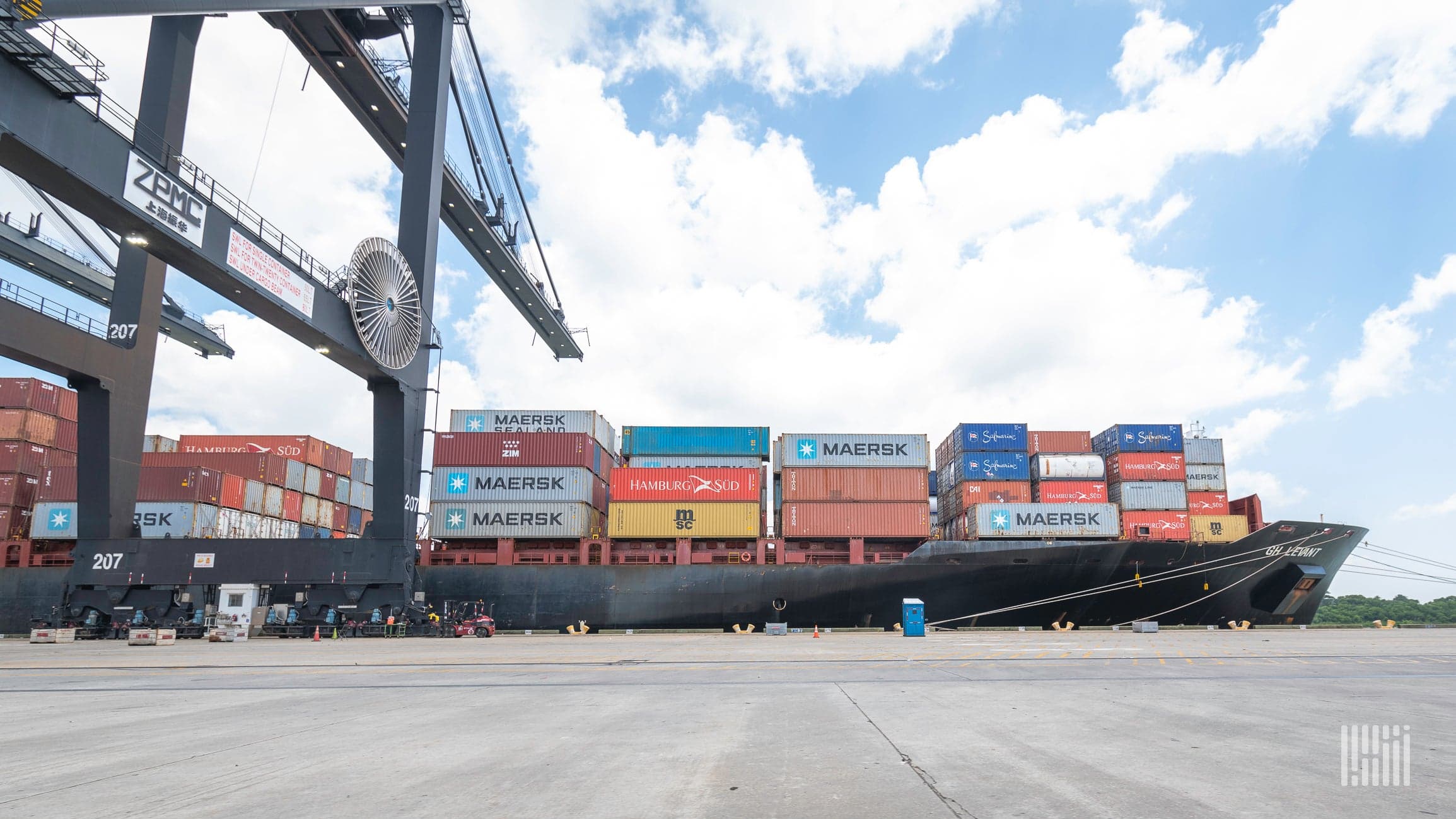
Photo via Fortune
China's manufacturing sector is showing signs of weakness as factory activity remains flat, according to recent economic data. The Purchasing Managers' Index (PMI) held steady at the 50-point threshold—the line between expansion and contraction—while new orders dipped below that mark to 49.9, signaling a troubling shift in demand.
For Atlanta-area businesses heavily reliant on imports and global supply chains, this development carries real implications. The city's port and logistics industry, which processes significant volumes of Asian goods, could face reduced throughput if Chinese export orders continue their downward trajectory. Retailers and manufacturers sourcing from China may need to reassess inventory levels and procurement strategies.
Analysts point to geopolitical uncertainty, particularly tensions in the Middle East, as a key factor dampening global confidence and purchasing power. According to reporting on the data, this international instability is creating hesitation among both manufacturers and consumers worldwide, making it difficult to forecast demand with certainty.
For Atlanta's business community, monitoring these indicators remains critical. The region's trade-dependent sectors should watch for potential adjustments in shipping volumes, supply chain costs, and consumer spending patterns in the coming months as global economic conditions evolve.