Photo via Inc.
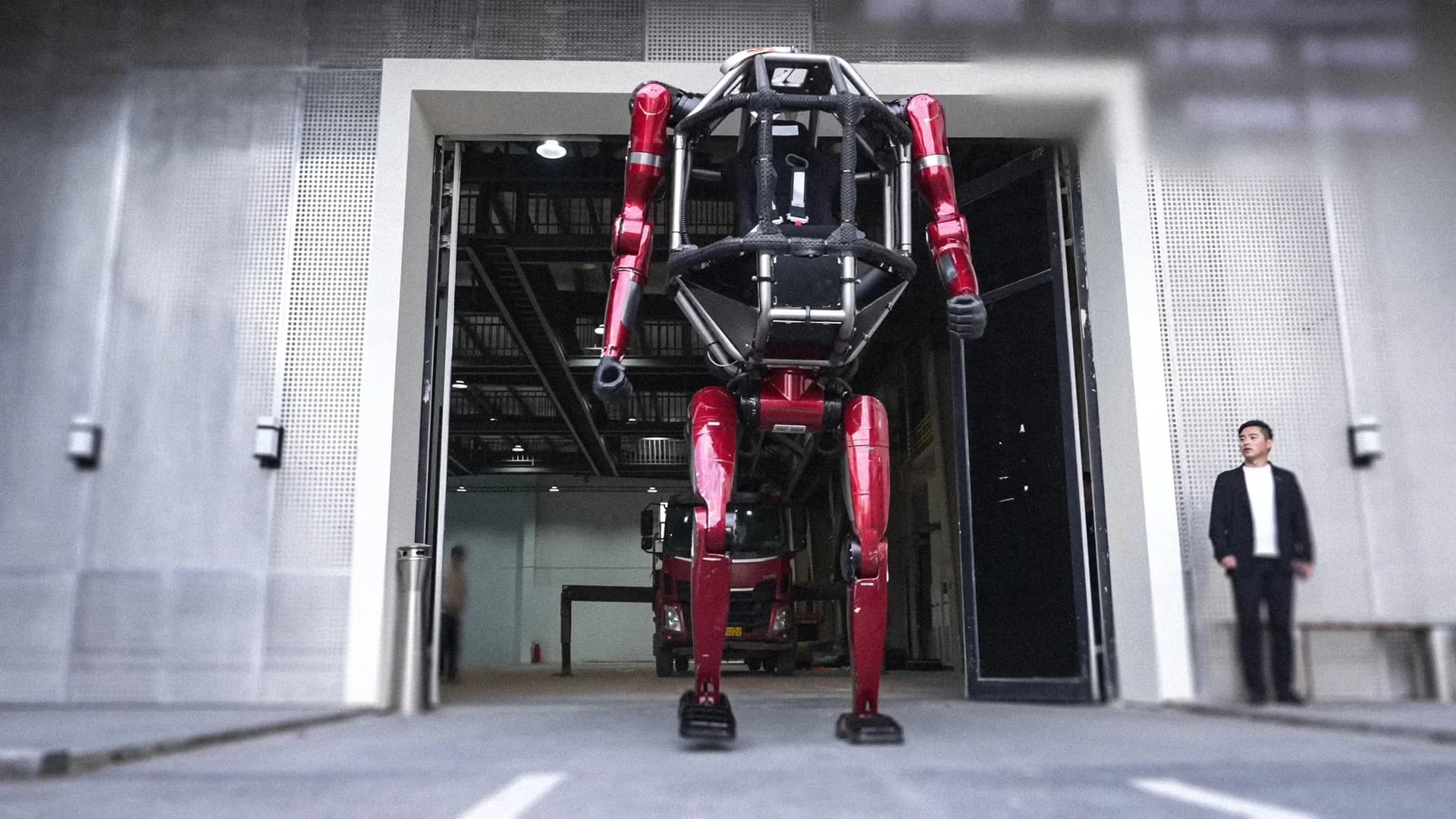
China has demonstrated a significant leap forward in robotics technology with the successful deployment of an advanced humanoid robot capable of performing heavy structural work with precision. According to Inc., this development represents more than just an engineering feat—it signals China's strategic ambitions to lead the emerging field of physical artificial intelligence, which combines robotics with AI systems designed to handle complex manual tasks.
The implications for Atlanta's business community are substantial. The Southeast has emerged as a logistics and manufacturing hub, with companies increasingly reliant on automation to remain competitive. As robotics technology advances globally, Atlanta-area businesses in warehousing, construction, and industrial sectors will need to evaluate how these capabilities affect their operational strategies and workforce planning over the next five to ten years.
The broader context matters here: the U.S. technology sector, including robotics development hubs, faces intensifying international competition. While Atlanta hosts growing tech startups and innovation centers, the speed of advancement in physical AI could reshape supply chain operations across the region. Companies will need to assess whether to invest in these technologies early or risk falling behind competitors who adopt them faster.
For Atlanta business leaders, this development serves as a strategic wake-up call. The robotics revolution isn't purely theoretical—it's advancing rapidly with real-world applications. Organizations should begin exploring partnerships with robotics firms, investing in workforce retraining, and developing strategies to integrate automation without sacrificing competitive advantages that depend on human expertise and adaptability.