
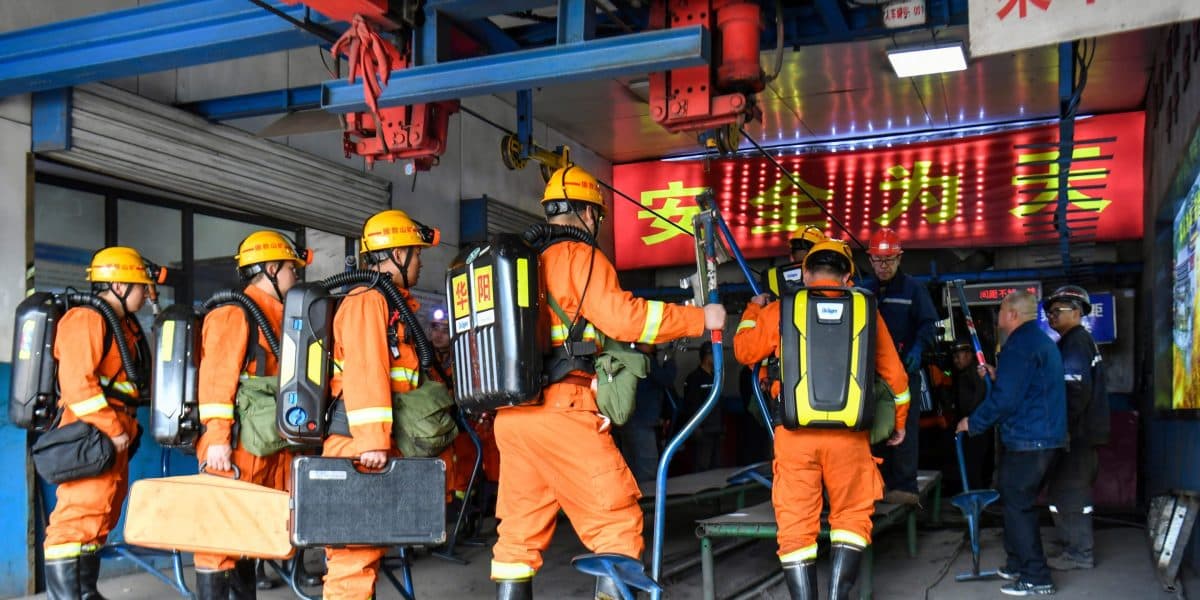
Photo via Fortune
A catastrophic explosion at China's Liushenyu coal mine in Shanxi province has claimed 82 lives, marking the country's deadliest mining disaster in recent years. According to Fortune, the tragedy underscores a critical breakdown in safety protocol enforcement, as Chinese regulators had identified the facility as high-risk specifically due to elevated gas content more than a year before the blast occurred.
The incident raises important questions for Atlanta-area energy companies and investors with international operations or supply chain exposure to Chinese coal markets. Safety lapses and regulatory failures abroad can affect commodity prices, insurance costs, and reputational risks for American firms doing business in or sourcing from these regions. The disaster demonstrates the consequences when known hazards are not adequately addressed despite official warnings.
China's National Mine Safety Administration's decision to place the Liushenyu mine on its high-risk list in 2024 should have triggered mandatory safety upgrades and enhanced monitoring. The fact that an explosion still occurred suggests either implementation gaps, inadequate enforcement mechanisms, or insufficient investment in corrective measures—failures that mirror concerns raised by safety advocates about regulatory compliance in emerging markets.
For U.S. energy operators and Atlanta-based firms with global investments, this incident reinforces the importance of rigorous third-party safety audits, transparent regulatory oversight, and adherence to international standards. Companies must evaluate their exposure to high-risk mining operations and ensure their supply chains and partnerships maintain safety practices that align with Western regulatory standards, not minimum local requirements.