Photo via Fox5 Atlanta
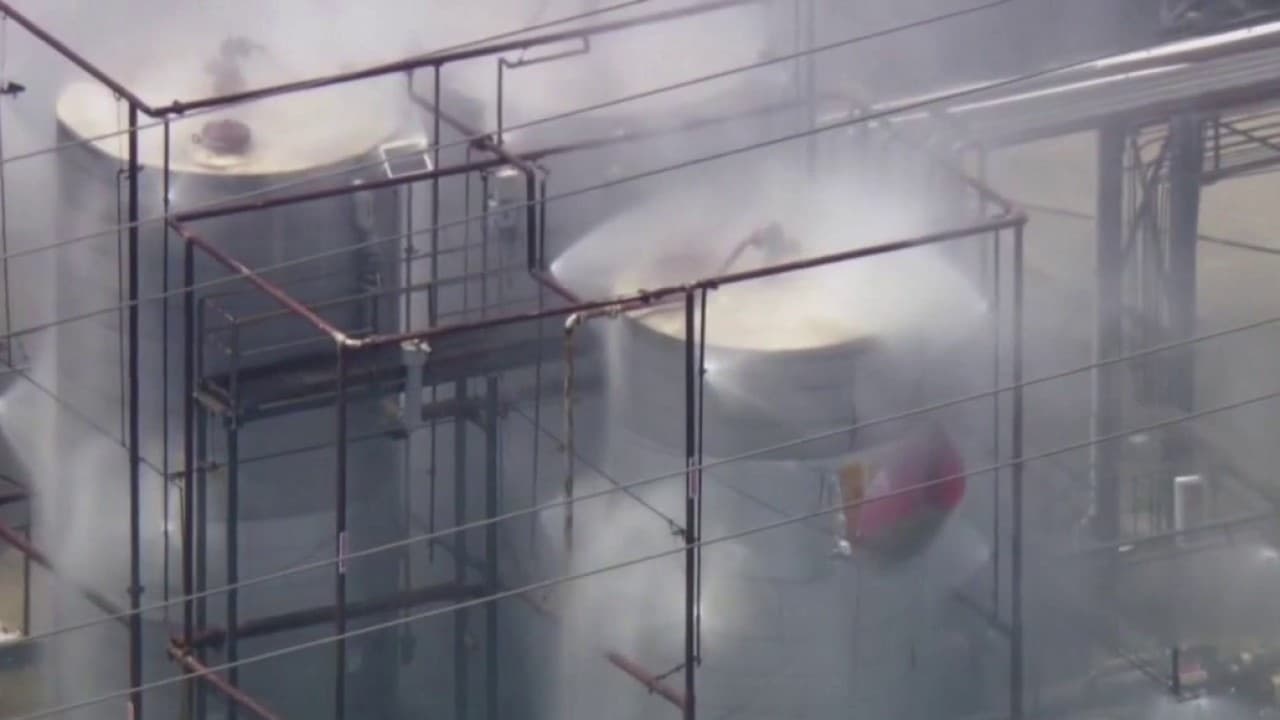
An overheated storage tank containing methyl methacrylate at GKN Aerospace in California has triggered one of the region's largest evacuations in recent memory, affecting approximately 40,000 residents across Garden Grove, Westminster, Stanton, and Anaheim, according to Fox5 Atlanta. The incident highlights the significant risks associated with storing volatile chemicals in densely populated areas and raises questions about facility maintenance and emergency response procedures.
For Atlanta-area manufacturers and industrial operators, this incident serves as a stark reminder of the importance of robust safety protocols and preventive maintenance programs. Chemical storage facilities, whether handling solvents, polymers, or other hazardous materials, require continuous monitoring and infrastructure investment to prevent catastrophic failures that could impact both business continuity and public safety.
The evacuation of such a large population also demonstrates the broader economic implications of industrial emergencies. Beyond immediate operational disruptions, companies face potential liability exposure, regulatory scrutiny, and reputational damage that can extend far beyond the initial incident. Insurance costs and compliance requirements for similar operations may increase industrywide.
As Georgia continues to attract manufacturing and aerospace-related businesses, local industrial leaders should view this incident as a cautionary case study. Investing in modern safety systems, employee training, and emergency preparedness not only protects communities but also demonstrates corporate responsibility that increasingly matters to customers, investors, and regulators evaluating business risk.