Photo via 11Alive Atlanta
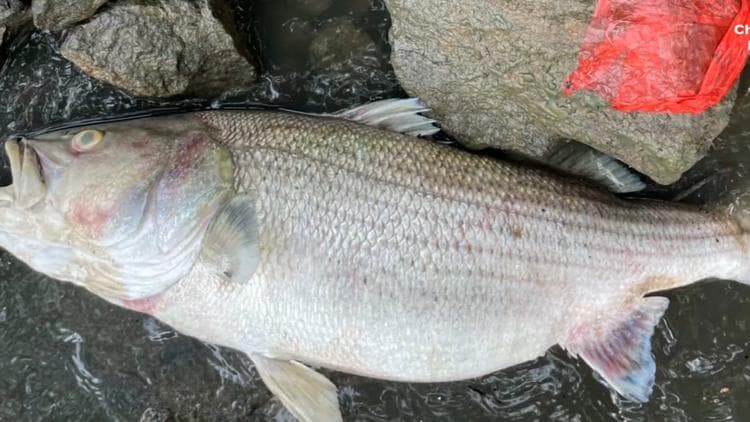
A significant sewage discharge event has devastated aquatic life in the Chattahoochee River, resulting in the death of approximately 45,000 fish across a 16-mile stretch of the waterway. According to 11Alive Atlanta, the incident underscores ongoing challenges with the region's wastewater management infrastructure and raises questions about the adequacy of current systems protecting the river that supplies drinking water to metro Atlanta.
The Chattahoochee River serves as a critical resource for the Atlanta region, supporting municipal water supplies, recreational activities, and local ecosystems. Such large-scale fish kills signal potential failures in treatment facilities or overflow events that merit immediate attention from environmental regulators and water utility officials. The incident could prompt renewed scrutiny of aging sewage infrastructure across the metro area and accelerate investment in system upgrades.
For Atlanta-area businesses dependent on reliable water resources—from hospitality and food service to manufacturing and data centers—the event underscores the importance of regional water security. Environmental incidents of this magnitude often trigger regulatory reviews and may influence future utility rates and infrastructure spending, making watershed health a consideration for companies evaluating long-term operations in the Atlanta market.