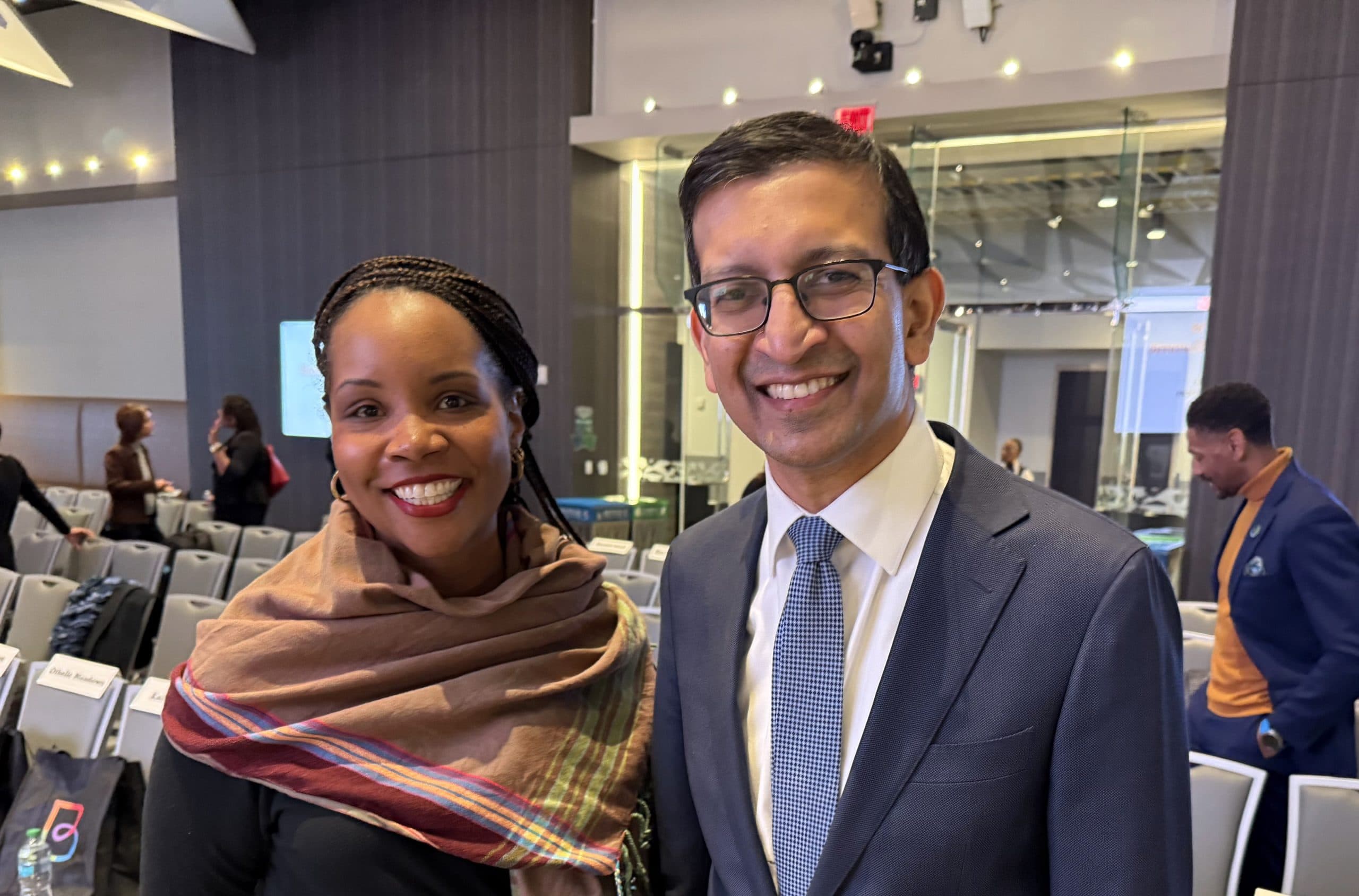
Photo via SaportaReport
Charlotte's decision to wind down Leading on Opportunity, the nonprofit that led the city's economic mobility efforts, provides a cautionary tale for Atlanta as it pursues similar initiatives. According to SaportaReport, executive director Sherri Chisholm described the organization as "a victim of our own success," suggesting that the group's achievements may have outpaced its original mandate. For Atlanta business leaders and policymakers focused on economic equity, this outcome raises important questions about how to structure long-term initiatives that create systemic change rather than relying on single organizations.
Both Charlotte and Atlanta have been tracking economic mobility metrics using data from researchers like Raj Chetty, whose work has highlighted regional disparities in opportunity. Charlotte's experience demonstrates that an organization's sunset can signal either failure or completion—in this case, the latter. Atlanta's business community should examine which aspects of Leading on Opportunity's framework were most effective and how those principles might be embedded into existing institutions like chambers of commerce, workforce development agencies, and corporate diversity programs.
As Atlanta continues to grapple with its own economic mobility challenges, the Charlotte model suggests that success requires thinking beyond any single nonprofit's lifespan. Business leaders and community organizations should consider how to institutionalize gains in economic opportunity and ensure that progress doesn't depend on the tenure of any single entity. This approach could prove more resilient for Atlanta's long-term prosperity and competitiveness in the Southeast.