Photo via CNBC Business
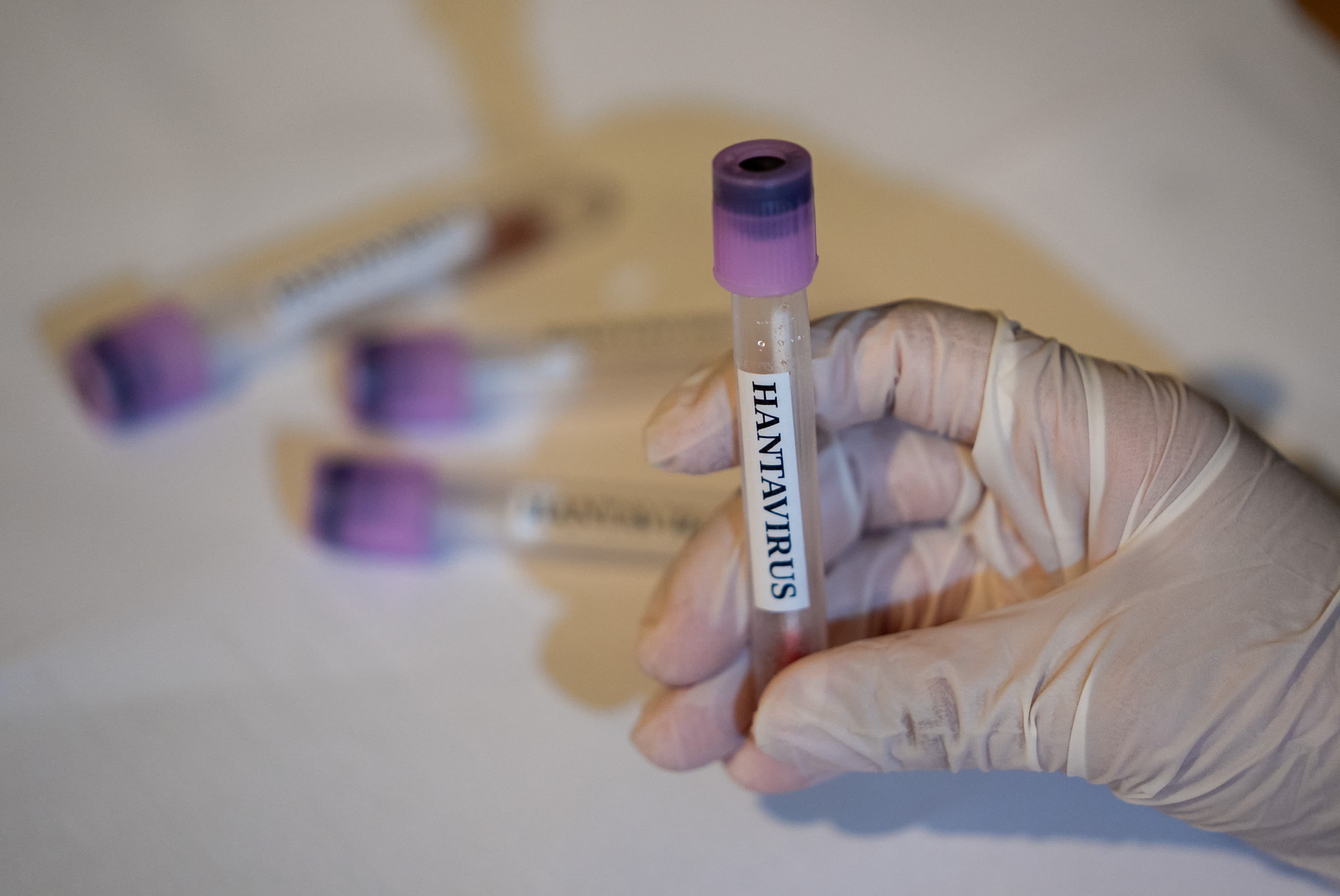
The Centers for Disease Control and Prevention reported this week that while 41 individuals are under monitoring for potential hantavirus exposure, no confirmed cases of the virus have been identified in the United States at this time. According to the CDC, the agency is actively tracking these cases to determine whether they meet diagnostic criteria for hantavirus infection.
For Atlanta-area healthcare providers and business leaders managing workplace safety protocols, the CDC's continued monitoring represents a standard public health precaution rather than an immediate threat to regional operations. The agency emphasized that the risk to the general public remains low, suggesting that normal business continuity measures should be sufficient for most Georgia-based organizations.
Hantavirus, typically transmitted through contact with infected rodent droppings, urine, or saliva, has historically posed minimal risk in urban and suburban environments like those surrounding Atlanta. The CDC's proactive surveillance approach allows health officials to quickly identify and contain any potential outbreaks before they spread to wider populations or affect regional economic activity.
Businesses across Georgia should remain informed about CDC guidance regarding rodent control and workplace sanitation, particularly those with warehouse, logistics, or facilities management operations. Maintaining updated employee health and safety protocols remains a prudent practice, though the current assessment suggests no need for significant operational changes or heightened emergency measures at this time.