
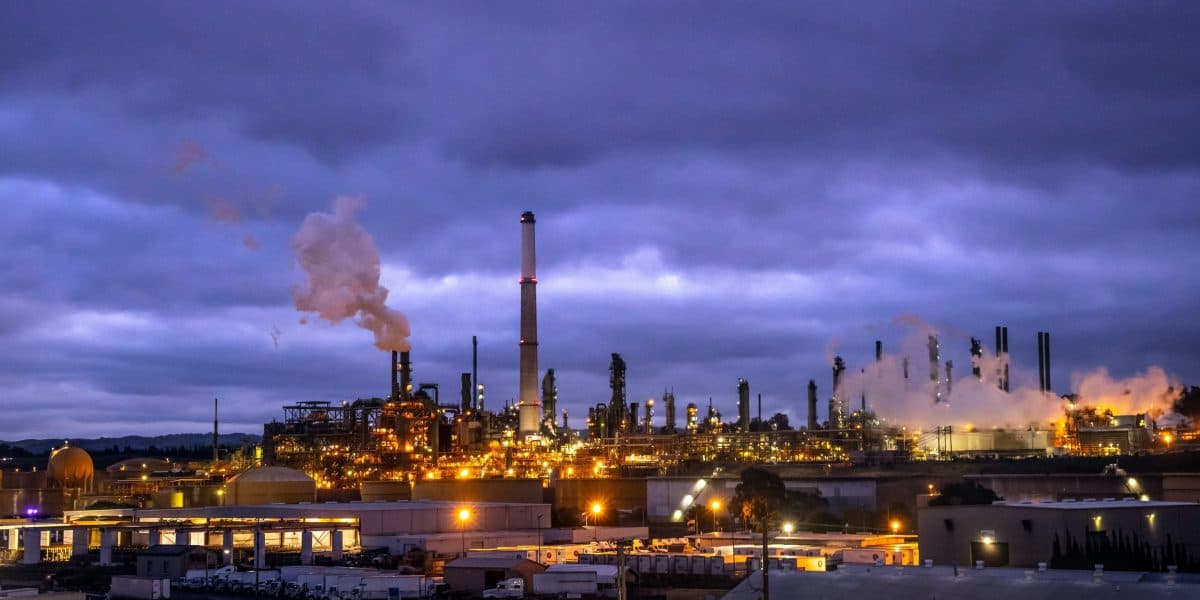
Photo via Fortune
California is facing a critical shortage in oil and jet fuel production as multiple refineries near Los Angeles and San Francisco have shuttered operations, according to Fortune. The timing could not be worse for the state's economy, as geopolitical tensions in the Middle East are simultaneously constraining global energy supplies. This convergence of domestic facility closures and international supply limitations is creating what analysts describe as a perfect storm for energy markets.
For Atlanta-based businesses and logistics companies, the implications are significant. With major airlines headquartered in the Southeast and the region serving as a hub for air cargo and passenger traffic, any sustained increase in jet fuel costs could elevate operating expenses across multiple industries. The Port of Savannah and trucking operations throughout Georgia could also face higher transportation costs if fuel supplies tighten and prices escalate regionally.
The refinery closure timeline extends the impact well into the future. According to industry sources cited in the Fortune report, relief from new production capacity is years away, meaning fuel cost pressures could persist longer than many supply chain managers anticipated. Companies relying on air freight or maintaining large vehicle fleets should begin evaluating fuel hedging strategies and supply chain adjustments now.
Georgia's business community should monitor developments closely, particularly companies in transportation, logistics, and energy-dependent sectors. While California's energy crisis is a West Coast issue, the interconnected nature of national fuel markets means Atlanta businesses could feel secondary effects through higher operational costs, making energy price volatility a key risk factor for financial planning in the coming year.