Photo via Inc.
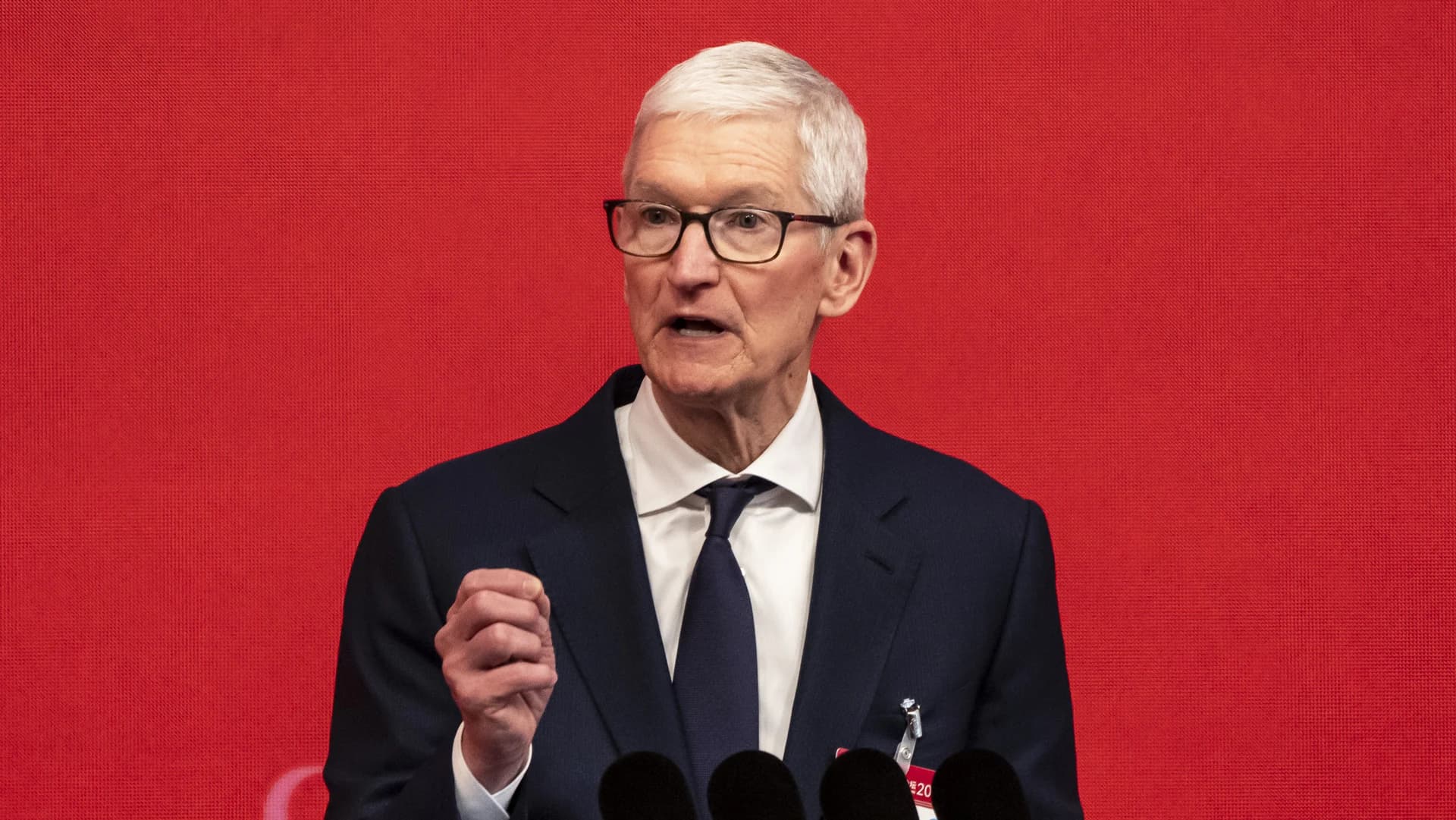
One of the most difficult transitions any business leader can orchestrate is stepping away while ensuring the organization continues to flourish. According to Inc., Tim Cook's eventual departure from Apple represents a significant milestone — not a crisis — because the company has been systematized to operate effectively beyond any single executive. This distinction matters deeply for Atlanta-area business owners and CEOs who are building enterprises intended to outlast their tenure.
The ability to create institutional knowledge and distributed leadership is what separates companies that become lasting enterprises from those that become dependent on a single personality. Cook spent years establishing processes, empowering department heads, and creating decision-making frameworks that don't rely on his daily involvement. For Atlanta's growing tech and corporate sectors, this model offers a blueprint for sustainable growth and attractive valuations when succession planning eventually becomes necessary.
Many founders struggle with this concept, fearing that stepping back diminishes their legacy or control. However, the opposite is true. A business that survives and thrives without its founder-turned-leader is arguably the greatest legacy any executive can leave. Regional business owners contemplating succession or expansion should consider whether their operations have this resilience built in, or whether growth remains tethered to their personal involvement.
As Atlanta continues to attract corporate headquarters and develop its entrepreneurial ecosystem, this lesson becomes increasingly relevant. Companies that demonstrate the ability to function with strong bench strength, clear protocols, and decentralized decision-making will prove more attractive to investors, talent, and potential acquirers. The question every Atlanta executive should ask themselves is simple: could my business run well without me tomorrow?