Photo via Inc.
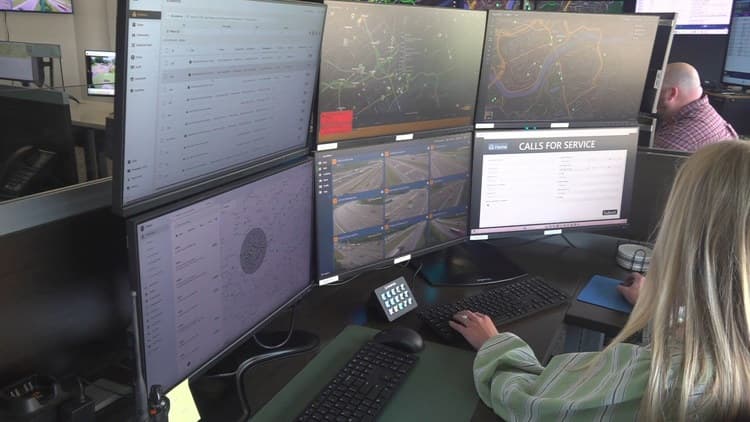
Neuroscientists have identified a concerning connection between non-traditional work schedules and structural changes in the brain, according to recent research highlighted by Inc. The study points to measurable losses in two critical brain regions—the amygdala and thalamus—among workers maintaining irregular hours. For Atlanta's significant healthcare, logistics, retail, and hospitality sectors, where shift work remains essential to operations, these findings warrant serious attention from both employers and employees.
The amygdala and thalamus play crucial roles in emotional regulation, stress response, and sensory processing. Chronic disruption to circadian rhythms from rotating or non-standard schedules appears to trigger neurological changes that extend beyond typical fatigue or productivity dips. Understanding this mechanism matters particularly for Atlanta's major employers in transportation, distribution centers, and medical facilities, where round-the-clock operations keep the regional economy moving.
Atlanta business leaders should consider these findings when evaluating workplace policies and employee wellness programs. Companies that employ significant numbers of shift workers—from Delta Air Lines ground crew to Grady Memorial Hospital staff to distribution center workers—may need to reassess scheduling practices and invest in circadian rhythm support. Progressive employers are already exploring flexible scheduling, bright light therapy during night shifts, and sleep optimization programs as potential mitigation strategies.
The research underscores a broader truth: workforce health directly impacts productivity, retention, and long-term organizational success. As Atlanta competes for talent in competitive industries, companies that proactively address the health consequences of shift work may gain advantages in employee satisfaction and reduced turnover. Human resources leaders should monitor this emerging research and consider it part of their comprehensive employee wellness strategy.