Photo via TechCrunch
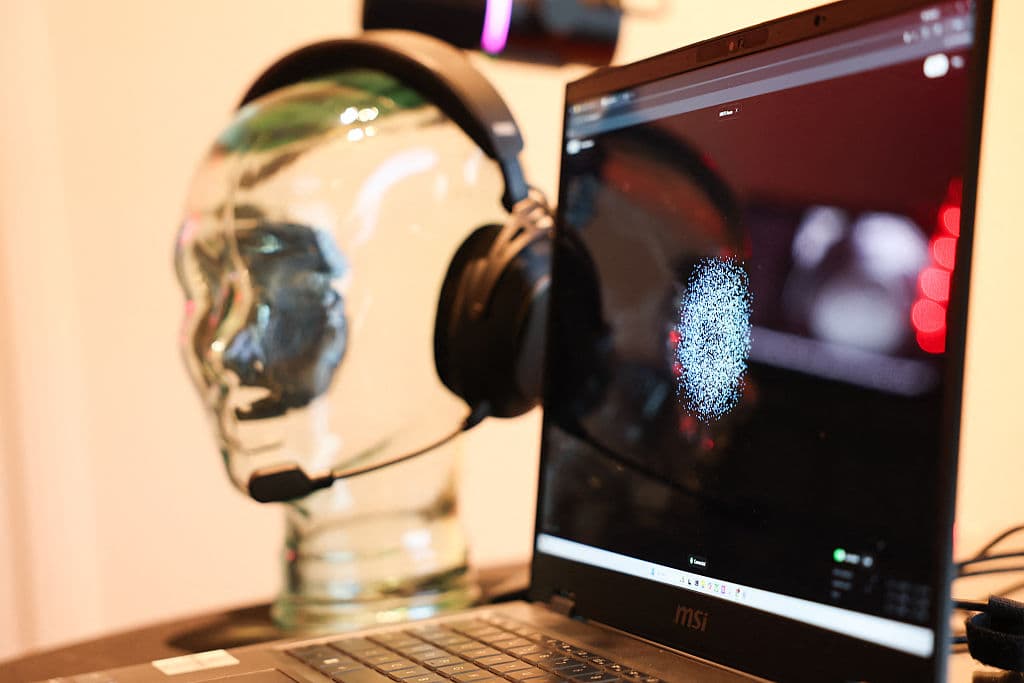
Neurable, a brain-computer interface (BCI) startup, is pursuing a licensing model to bring its neural sensing technology to mainstream consumer wearables, according to TechCrunch. The company has developed non-invasive technology that captures and interprets neural signals, moving beyond traditional medical applications into everyday consumer devices.
The startup's approach focuses on making neural data collection accessible without invasive procedures, positioning the technology as a practical addition to existing wearable platforms. According to the company's leadership, potential applications span multiple consumer categories, though specific use cases remain in development stages. This pivot toward licensing reflects a broader industry trend of moving BCI technology from specialized research settings into commercial markets.
For Atlanta's growing tech ecosystem, Neurable's strategy highlights the region's opportunity to attract neurotechnology companies and support the emerging BCI sector. Atlanta has been developing strength in healthcare technology and biomedical innovation, sectors that could benefit from partnerships with neural interface developers. The licensing model also suggests potential partnerships with local consumer electronics and wearables manufacturers.
As BCI technology matures, regulatory frameworks and consumer privacy standards will likely become critical differentiators for companies in this space. Neurable's non-invasive approach addresses some consumer concerns, but the company will need to navigate emerging regulations around neural data collection. Success in this market could position early movers as leaders in one of technology's fastest-growing frontiers.