Photo via Fortune
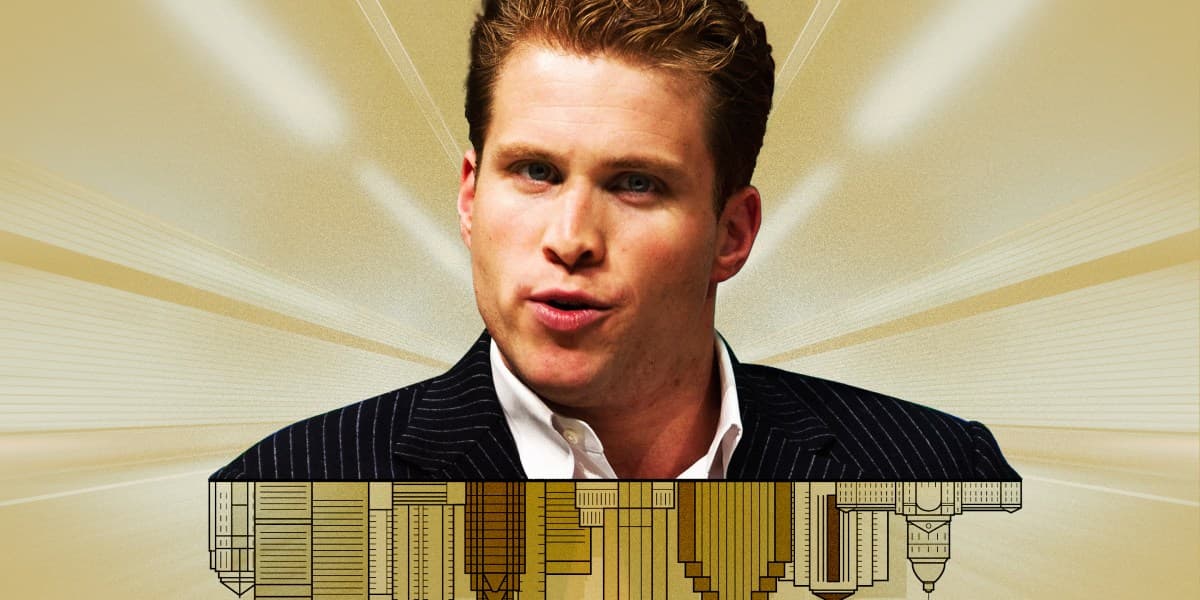
According to Fortune, venture capitalist Joe Lonsdale, an investor in Elon Musk's Boring Company, has proposed an ambitious $2.6 billion underground tunnel network to Austin's mayor. The proposal envisions a 45-station commuter system designed to alleviate surface-level traffic congestion through subterranean transit corridors. The ambitious scope reflects growing momentum behind private-sector transportation infrastructure solutions.
The pitch strategy reveals a pragmatic approach to development, with Lonsdale proposing to begin with a small-scale pilot tunnel connecting private land parcels before expanding to the citywide network. This phased rollout model reduces initial capital risk and allows for proof-of-concept testing. For Atlanta's business community, watching how Austin navigates this proposal offers insights into alternative approaches to the region's notorious traffic challenges.
Boring Company's tunnel technology has gained traction in discussions about urban mobility, though the company's track record remains limited. Atlanta leaders and real estate developers tracking private transit innovations may view this Austin case study as relevant to ongoing debates about metro area congestion and the viability of non-traditional infrastructure partnerships. The project's success or failure could influence how other major metros approach similar private-sector transit proposals.
As Atlanta continues grappling with I-285 bottlenecks and regional commute times, the venture capital community's willingness to fund alternative transit infrastructure represents a notable shift. Whether private innovation can complement public transportation systems remains an open question for Atlanta's business leaders and policymakers evaluating long-term regional competitiveness.