Photo via CNBC Business
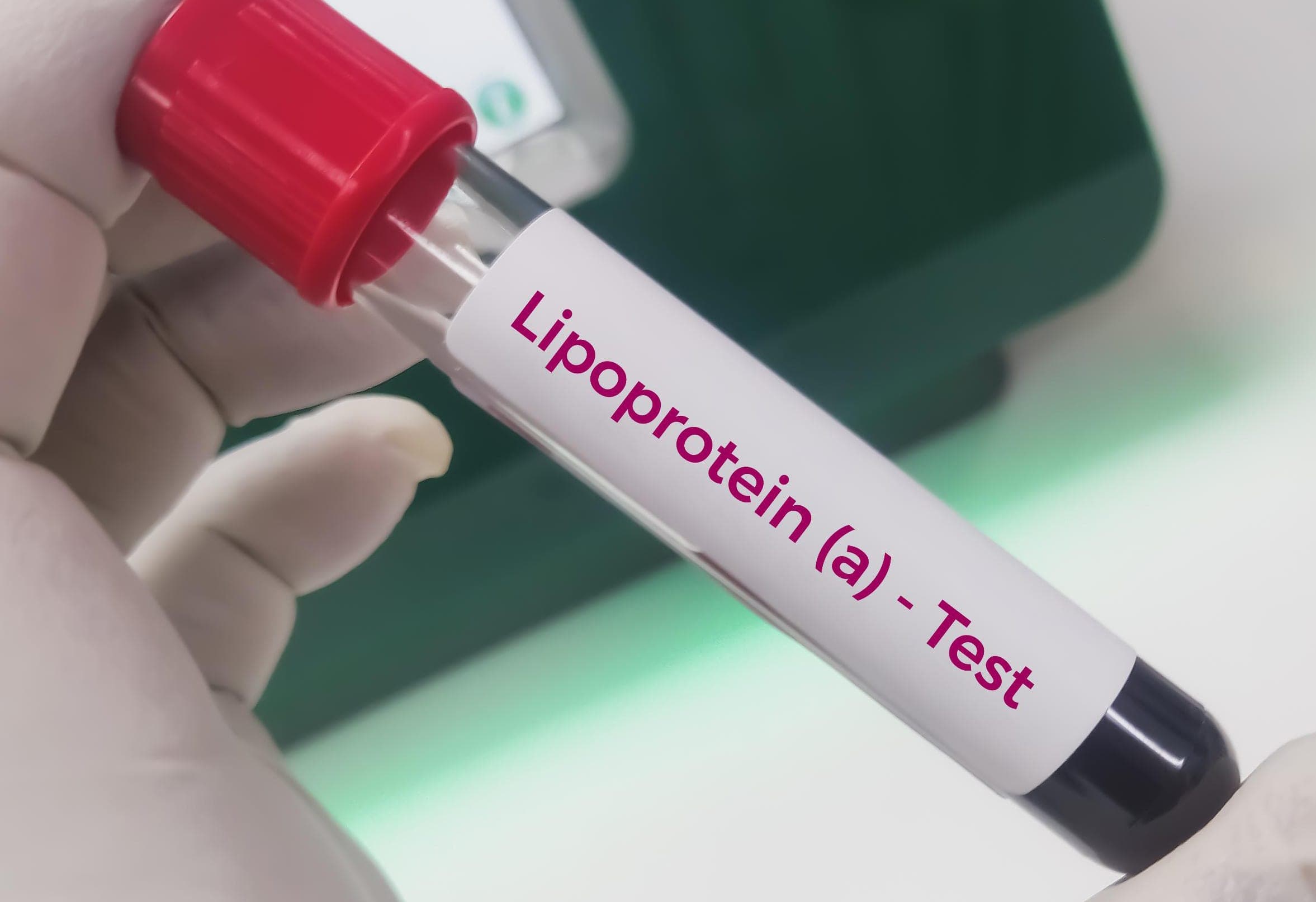
Three major pharmaceutical giants are placing substantial bets on an unconventional approach to cardiovascular disease management. According to CNBC Business, Novartis, Amgen, and Eli Lilly are pursuing drug development strategies centered on reducing a specific, less-discussed form of cholesterol that research suggests poses significant health risks. This strategic pivot represents a notable shift from traditional cholesterol-management therapies that have dominated the cardiology market for decades.
The convergence of investment from these three industry powerhouses suggests confidence in the scientific foundation underlying this approach. By targeting this particular cholesterol variant, these companies believe they can address unmet clinical needs in heart disease prevention and treatment. For Atlanta-area healthcare systems and cardiologists, these emerging therapies could eventually expand treatment options available to patients who have not responded adequately to conventional interventions.
The race to bring these drugs to market underscores the competitive dynamics within the pharmaceutical industry and reflects ongoing research into the complex mechanisms of cardiovascular disease. Success in this arena could yield blockbuster-level revenues for the developers while advancing patient outcomes across the country. Georgia's robust healthcare and life sciences sector stands to benefit from increased clinical trial opportunities and partnerships with these major pharmaceutical firms.
As these candidates progress through development pipelines, healthcare providers and investors in Atlanta should monitor clinical trial announcements and regulatory milestones. The successful introduction of these therapies could reshape treatment protocols and create new market opportunities within cardiology, ultimately benefiting patients with advanced or difficult-to-treat heart conditions in the region.