Photo via FreightWaves
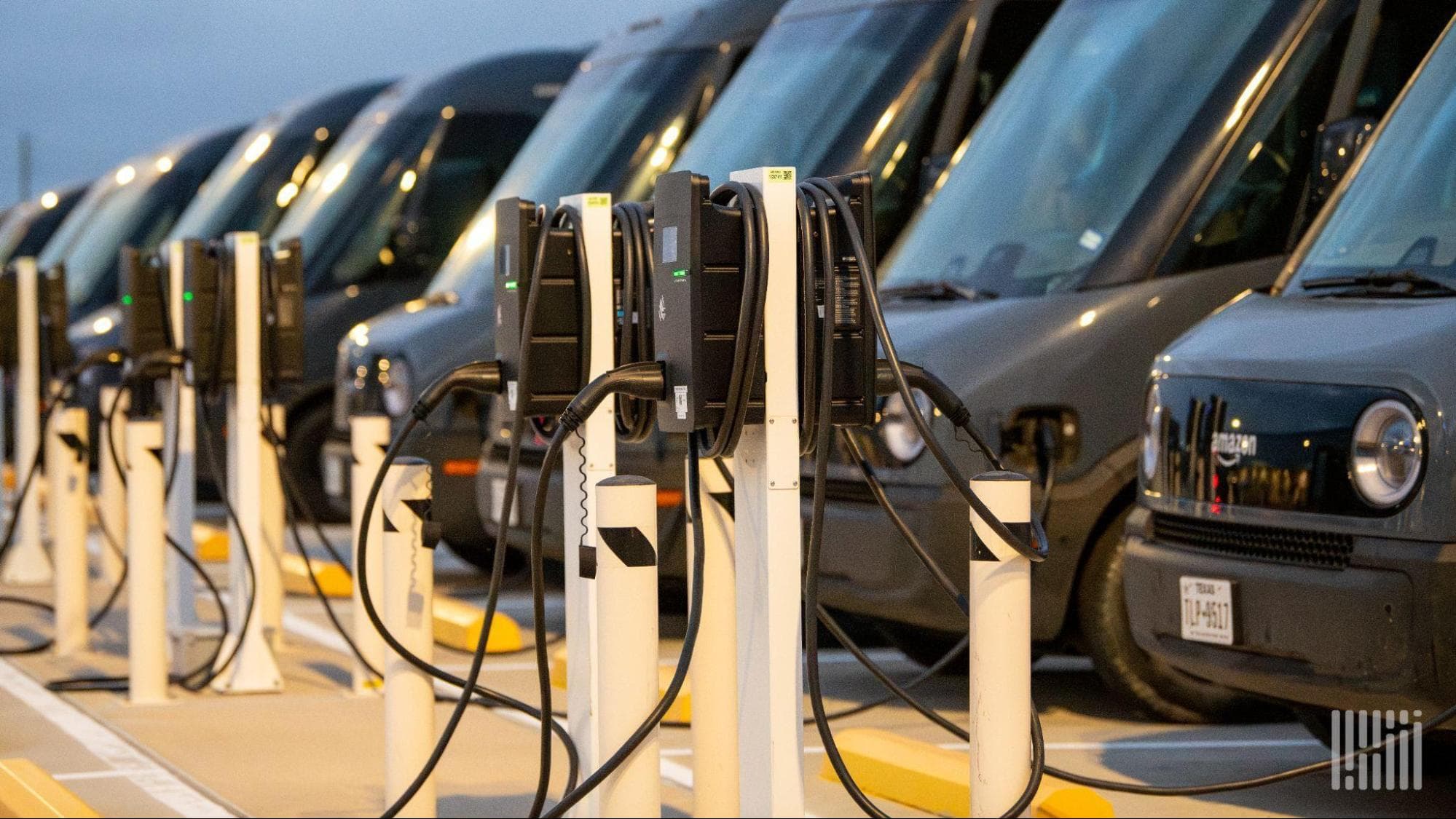
Fleet operators are moving beyond the early experimentation phase of electric vehicle adoption, with the competitive advantage increasingly dependent on intelligent charge management rather than raw battery capacity. According to BetterFleet CEO Dan Hilson, the industry is recognizing that the path to profitability in EV fleets lies not in filling batteries to maximum capacity, but in optimizing when and how charging occurs.
The company's approach centers on artificial intelligence systems that coordinate charging timing, mitigate demand charges, and preserve battery longevity—three critical cost factors that traditional fleet management overlooks. This represents a fundamental shift in how fleet operators should evaluate their electrification investments, focusing on total cost of ownership rather than vehicle acquisition costs alone.
As electric vehicles become mainstream in commercial transportation, the distinction between successful and struggling EV fleet programs will likely hinge on advanced software that manages grid interaction and power consumption patterns. The evolution signals that the electric fleet transition depends as much on operational intelligence as it does on vehicle technology itself.