Photo via 11Alive Atlanta
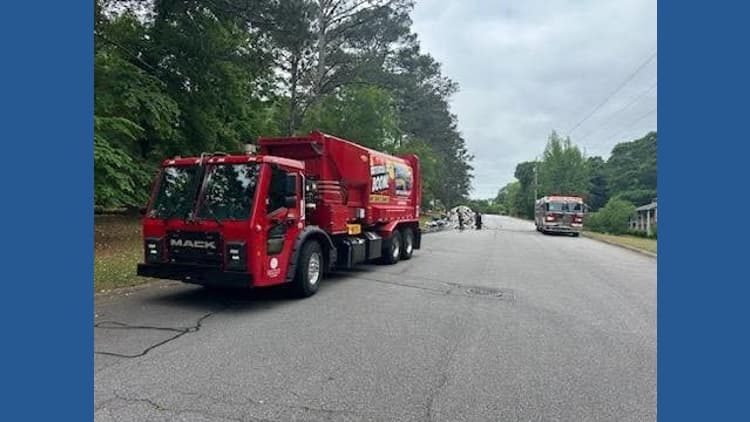
A waste management crisis unfolded in Athens when sanitation workers were forced to dump an entire truck load of garbage onto a city street to extinguish a fire that had ignited within their vehicle. According to 11Alive Atlanta, the blaze was sparked by improperly discarded batteries mixed into the regular waste stream, underscoring a significant operational and safety challenge facing Georgia's waste and logistics industries.
The incident points to a broader problem affecting waste management companies across the Southeast: contamination of municipal refuse with hazardous materials. Batteries—particularly lithium-ion units from consumer electronics and e-waste—pose extreme fire risks when compressed in collection vehicles or at sorting facilities. For Atlanta-area waste management operators and haulers, this incident serves as a stark reminder of the costs associated with contaminated loads, including vehicle damage, service interruptions, and potential liability.
Waste industry professionals in Georgia have increasingly called for public education campaigns and stricter disposal protocols to prevent hazardous materials from entering standard trash streams. Many municipalities are expanding battery collection programs and implementing surcharges for non-compliant disposal, yet consumer awareness remains inconsistent across the region.
This Athens incident reflects a growing operational challenge for logistics and sanitation companies managing the region's waste. As e-waste volumes surge with rapid technology adoption, waste management firms must invest in sorting infrastructure, employee training, and community outreach to mitigate similar emergencies. Industry stakeholders say Georgia municipalities need coordinated efforts to establish clear hazardous material guidelines and enforcement mechanisms.