Photo via Inc.
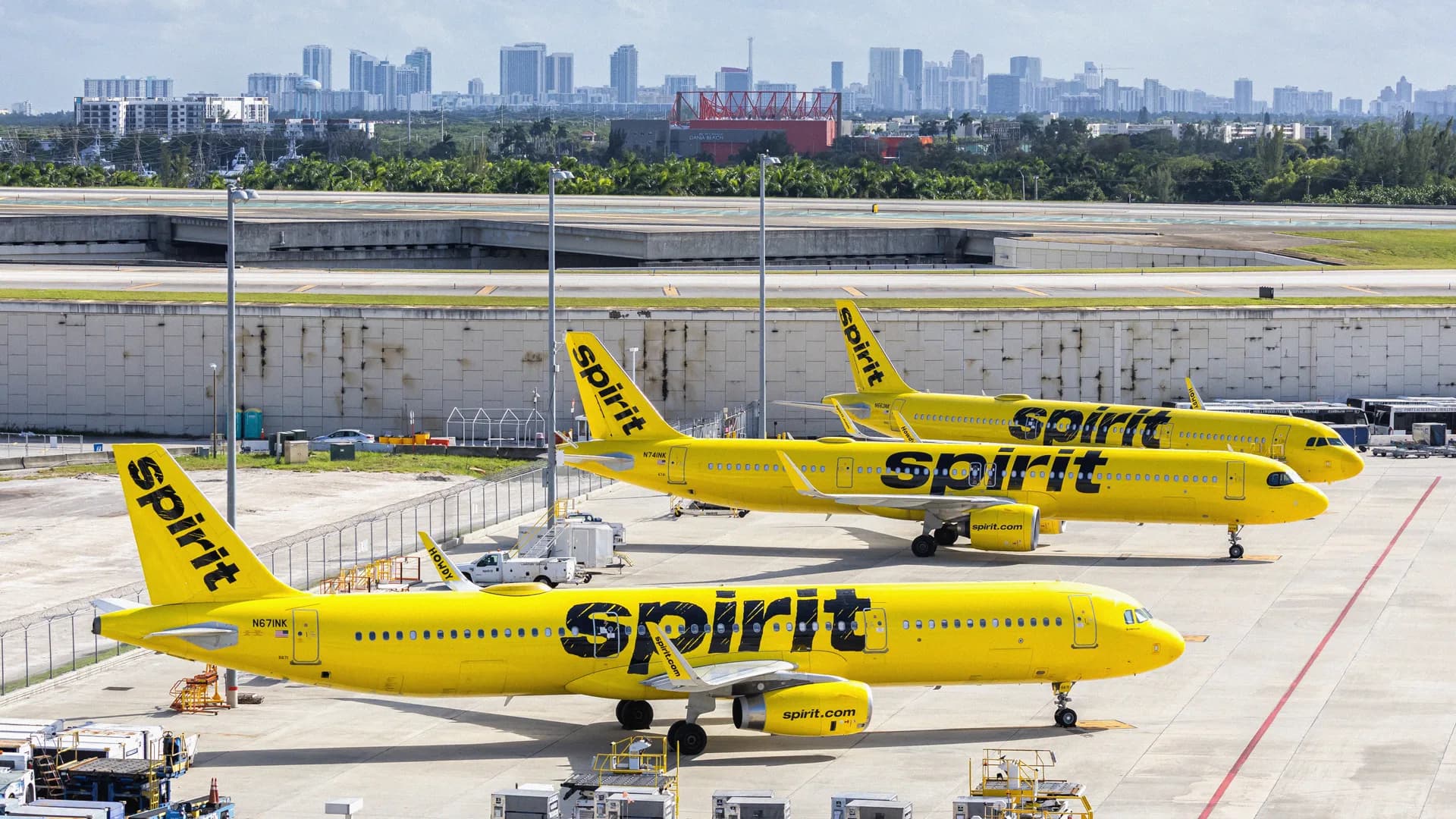
The sudden collapse of Spirit Airlines triggered an emergency mobilization that tested the limits of rapid-response logistics. According to Inc., Nomadic Aviation Group faced a critical window of just six hours to deploy pilots and secure aircraft stranded across multiple airports nationwide. This kind of time-sensitive asset recovery underscores the operational complexity underlying the aviation industry—a sector with significant connections to Georgia's economy through Hartsfield-Jackson Atlanta International Airport and related service providers.
The challenge required coordinating 20 pilots across the country in a matter of hours, a feat that demonstrates the importance of scalable workforce management and real-time communication systems in crisis situations. For Atlanta-based logistics and transportation companies, the Spirit Airlines case offers a sobering reminder of how quickly operational disruptions can cascade through supply chains and airport operations. The speed of Nomadic's response illustrates why investment in contingency planning and flexible staffing models has become essential for companies operating in transportation and related industries.
Beyond the immediate personnel logistics, the recovery effort involved securing millions of dollars in aircraft assets—property that represents significant capital investment and operational liability. According to the source material, the ability to quickly mobilize qualified pilots and coordinate across multiple jurisdictions was critical to minimizing financial loss during the airline's wind-down. This scenario highlights how Atlanta's position as a major aviation hub makes it vulnerable to disruption, but also positions local service providers to develop expertise in managing such crises.
The Spirit Airlines collapse serves as a cautionary tale for Atlanta-area businesses dependent on stable supply chains and transportation networks. It underscores why companies should evaluate their own contingency planning, vendor relationships, and operational resilience. For those in logistics, transportation management, and related sectors, the incident reinforces that the ability to scale operations rapidly and communicate effectively across distributed teams can be the difference between managing a crisis and compounding it.