Photo via FreightWaves
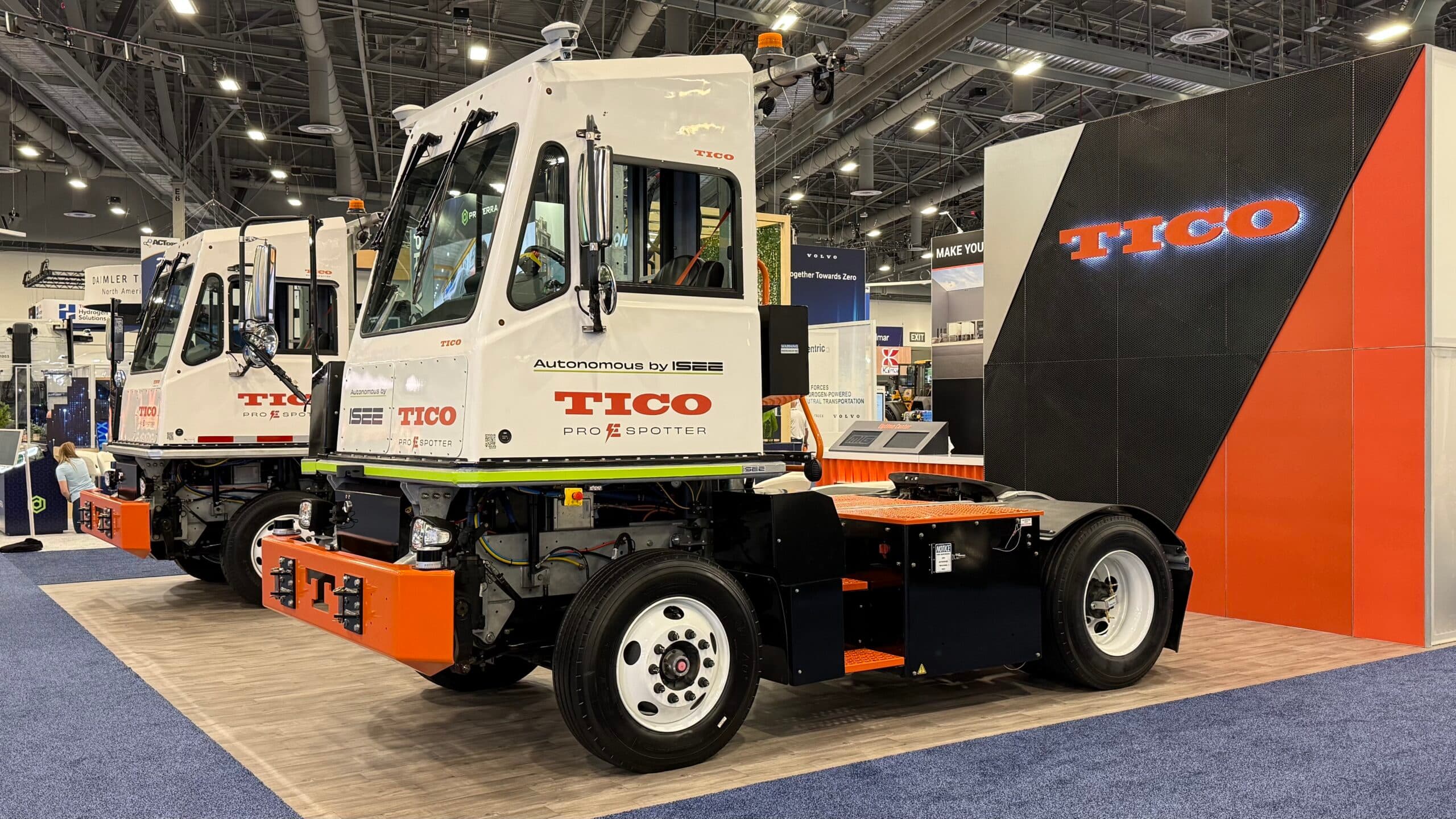
The autonomous trucking industry is narrowing its focus to a more achievable near-term goal: automating operations within private yards and distribution centers rather than long-haul highway driving. According to FreightWaves, companies like ISEE AI and TICO are leading this shift, with production timelines as near as 2027. This pivot represents a pragmatic approach to deploying autonomous technology where safety protocols can be more tightly controlled.
For Atlanta's bustling logistics sector—which includes major distribution hubs serving the Southeast—yard automation could offer significant operational benefits. Private facilities provide contained environments where autonomous vehicles can operate predictably, reducing the complexity and regulatory hurdles that have slowed broader autonomous trucking adoption. The region's concentration of warehouse and fulfillment centers makes it particularly well-positioned to benefit from this emerging technology.
The companies are advancing what they describe as a 'closed safety case,' a comprehensive framework demonstrating how their autonomous systems operate safely in defined environments. This approach is generating early confidence among potential buyers, with reports suggesting hundreds of truck orders could materialize once safety validation is complete. The structured nature of yard operations—repetitive routes, controlled speeds, and fewer variables—makes autonomous solutions more feasible than highway applications.
As these technologies mature, Atlanta-area logistics operators and warehouse managers should monitor developments closely. Yard automation could address persistent labor challenges, improve safety metrics, and enhance operational efficiency at distribution centers throughout Georgia. The next few years will likely determine whether autonomous yard tractors become standard equipment in regional supply chains.