Photo via SaportaReport
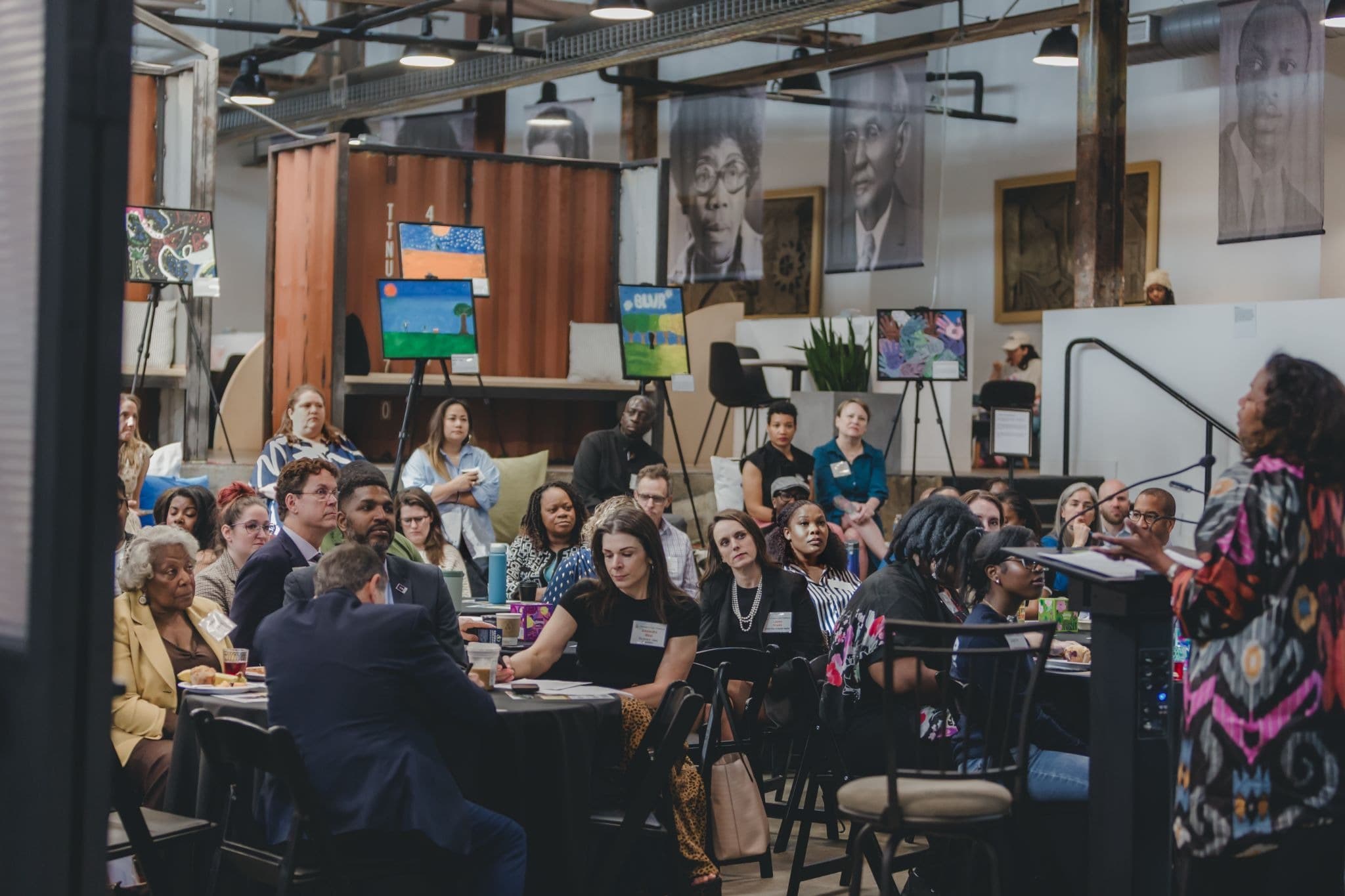
Atlanta's competitive real estate market and rising cost of living are creating a widening affordability gap that disproportionately affects young adults, limiting their ability to achieve housing stability and economic independence. According to the Atlanta Thrive Summit hosted by the Annie E. Casey Foundation at Pittsburgh Yards on May 8, this crisis extends beyond simple housing shortages—it represents a systemic challenge affecting education, employment, and long-term community development in the metro area.
Beyond housing costs, young Atlantans face interconnected challenges including food insecurity and fragmented support systems that compound their vulnerability. These barriers create ripple effects across multiple life domains, from workforce participation to health outcomes, making youth housing instability a critical concern for employers and economic development leaders who depend on a stable, healthy workforce.
Business leaders, nonprofit advocates, and young people themselves gathered at the summit to identify pathways toward sustainable solutions. The convening recognized that addressing youth housing requires cross-sector collaboration—involving real estate developers, corporate partners, government entities, and community organizations working toward shared stability goals.
For Atlanta businesses, this crisis represents both a social responsibility and an operational challenge. Companies invested in workforce development and community prosperity are increasingly recognizing that supporting housing solutions for young adults strengthens talent pipelines, reduces employee turnover, and builds a more resilient regional economy.