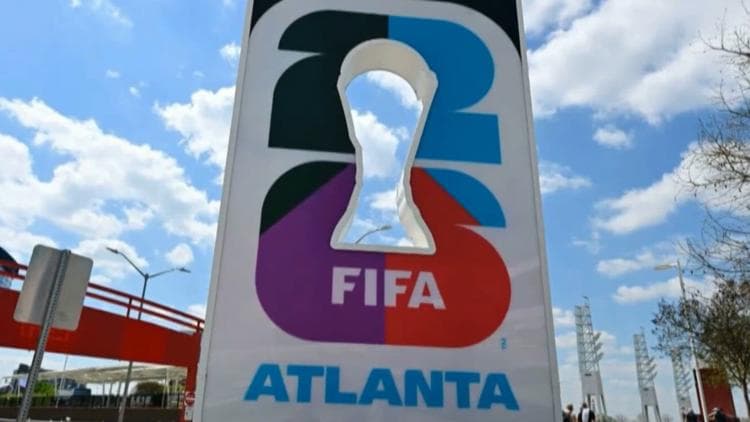
Photo via 11Alive Atlanta
Atlanta is preparing for one of the largest international sporting events in its history, with the FIFA World Cup bringing thousands of visitors to the metro area. According to 11Alive Atlanta, local commuters and business leaders can take comfort in the city's proven ability to manage transportation challenges during previous high-profile events.
The city's experience hosting the 1996 Summer Olympics demonstrated Atlanta's capacity to coordinate large-scale traffic management and infrastructure improvements. That event required significant planning across multiple venues and transportation corridors—a complexity the region successfully navigated while maintaining regional commerce and daily operations.
For Atlanta's business community, the World Cup presents both logistical challenges and economic opportunities. Hotels, restaurants, retail establishments, and transportation services stand to benefit from increased visitor spending, while companies in logistics and event management will play crucial roles in ensuring smooth operations throughout the tournament.
Business leaders and commuters should monitor official guidance from local transportation authorities as match dates approach. The lessons learned from hosting the Olympics, along with modern traffic management technology and infrastructure improvements implemented since 1996, position Atlanta to deliver a successful World Cup experience while minimizing disruption to regional business operations.