Photo via SaportaReport
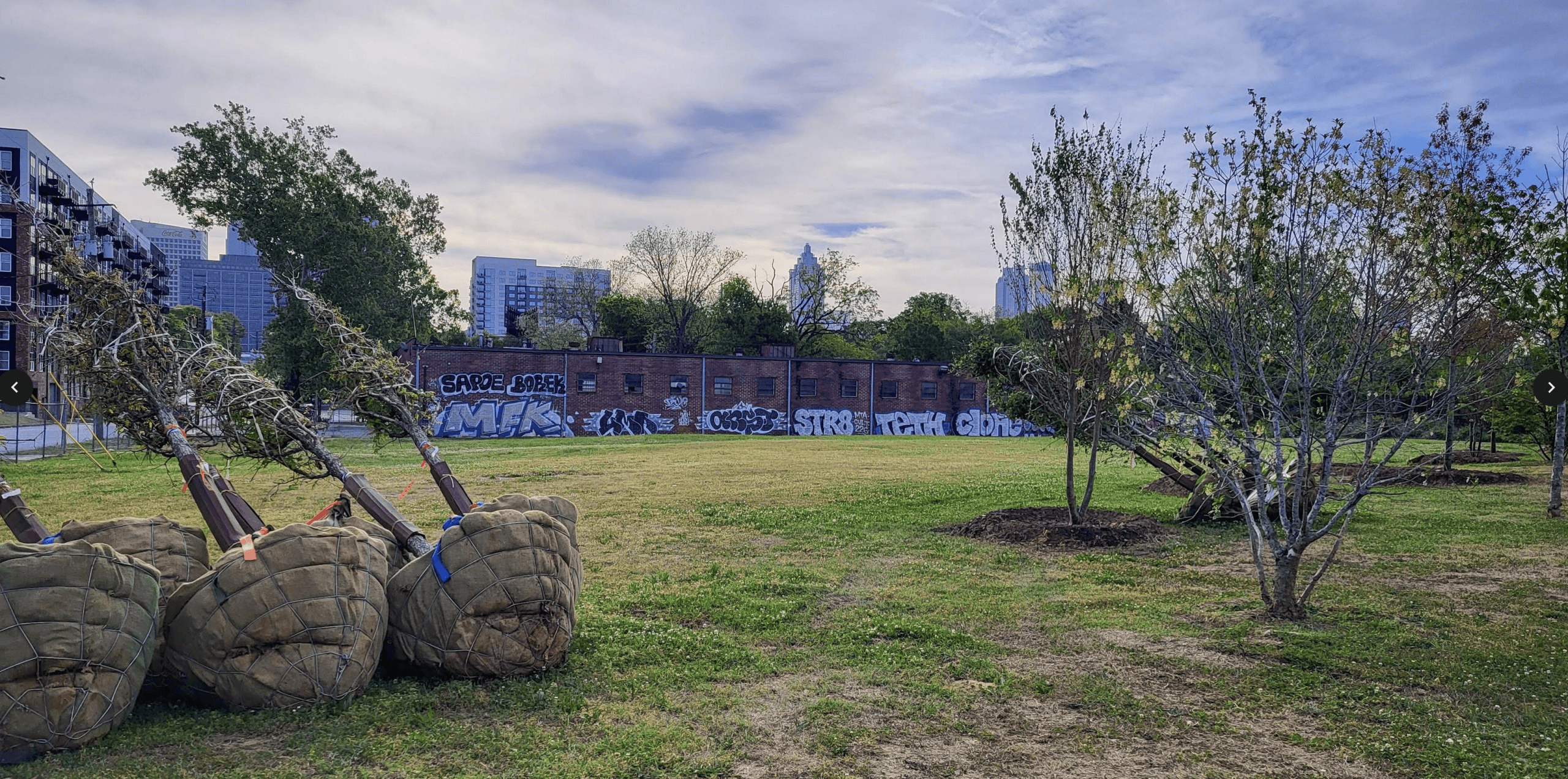
Atlanta is in the final countdown to hosting FIFA World Cup matches at Mercedes-Benz Stadium beginning June 15, 2026, and the city is mobilizing significant resources to present its best face to international visitors. According to SaportaReport, infrastructure improvements are underway across multiple corridors, including street repaving, crosswalk upgrades, and new signage installations. The Beltline, a major focal point of Atlanta's urban redevelopment strategy, is receiving particular attention as the city prepares for global scrutiny.
The scope of pre-World Cup improvements extends across the downtown and midtown areas, with particular focus on highly visible zones near the stadium and major visitor corridors. However, the timing and targeting of these projects raise important questions about how Atlanta prioritizes neighborhood investment. Some areas, particularly lower-income communities on the city's westside, are experiencing rapid beautification efforts that some critics argue serve primarily to obscure existing conditions rather than address underlying infrastructure or community needs.
For Atlanta business leaders and real estate professionals, the World Cup presents both opportunities and challenges. Infrastructure improvements typically increase property values and commercial activity in affected areas, potentially creating investment opportunities. However, the concentrated nature of these improvements may also accelerate displacement pressures in gentrifying neighborhoods, affecting long-term community stability and workforce housing availability—factors that increasingly concern major employers in the metro area.
As Atlanta positions itself on the world stage, city leaders face the ongoing challenge of balancing aesthetic improvements with equitable, sustainable development. Business stakeholders should monitor how post-World Cup investments translate into lasting community benefits versus temporary enhancements. The coming months will reveal whether infrastructure spending creates genuine neighborhood revitalization or represents a short-term makeover with limited long-term impact on underserved communities.