Photo via SaportaReport
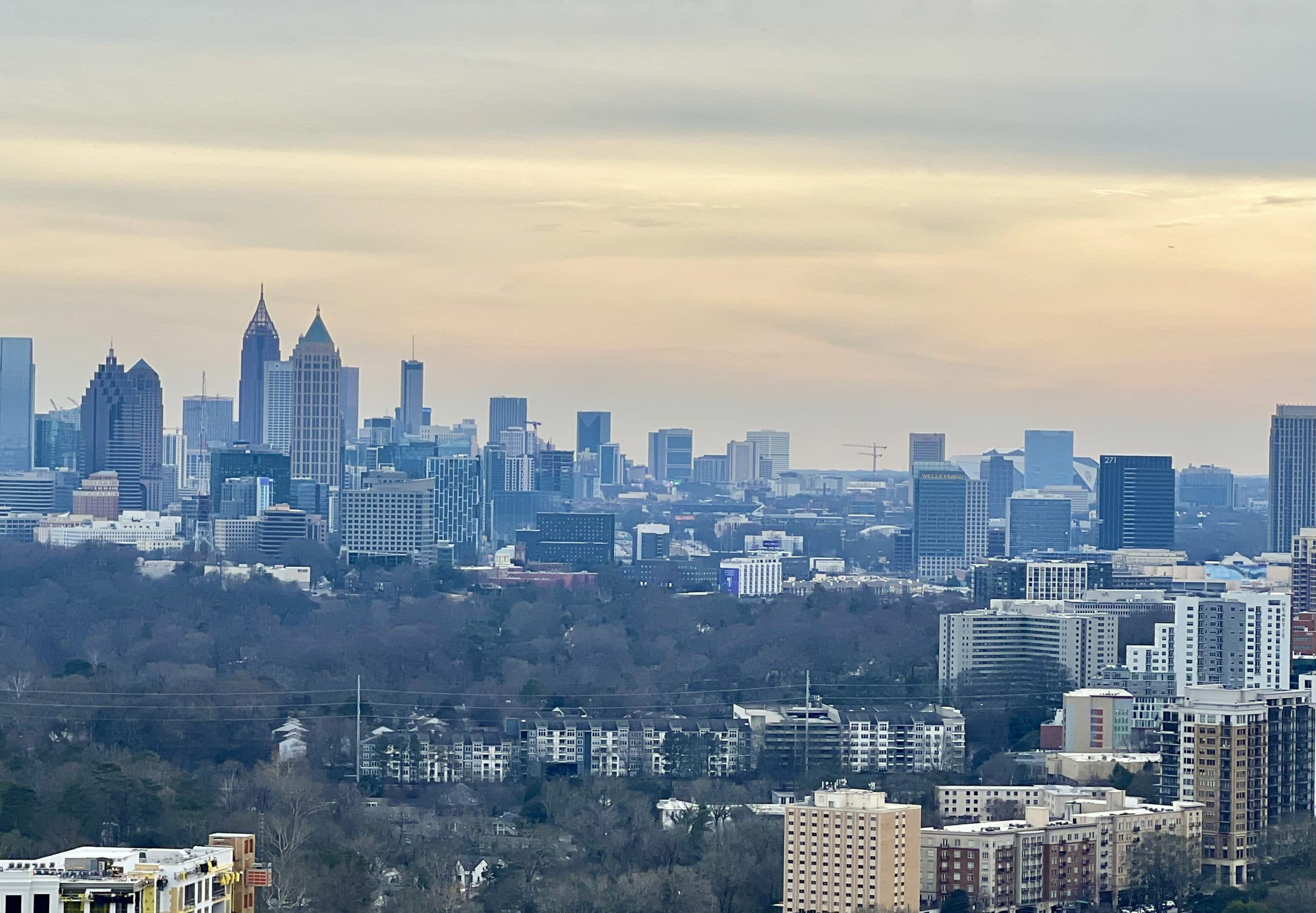
Atlanta has long marketed itself as the 'City in a Forest,' a brand identity rooted in its substantial tree canopy that sets it apart among major U.S. metros. However, recent data reveals that the city's tree cover has declined to levels below the 50 percent goal established by Atlanta City Council in 2023. The council recognized at that time that tree canopy represents 'a well-recognized integral part of the City's identity,' citing environmental and quality-of-life benefits that underpin both resident attraction and business competitiveness.
For Atlanta's business community, the declining canopy presents both environmental and economic concerns. Urban forestry directly impacts commercial real estate values, employee attraction and retention, and the city's competitive positioning in attracting corporate headquarters and talent. Companies increasingly factor environmental quality into location decisions, and a shrinking tree canopy could undermine Atlanta's appeal to businesses prioritizing sustainability and livability for their workforce.
City officials and business leaders must now determine how to reverse the trend through development policies, public-private partnerships, and enforcement of tree preservation ordinances. The gap between Atlanta's aspirational brand identity and the current canopy reality underscores the need for coordinated action among municipal government, real estate developers, and the private sector to restore the environmental assets that define the city's character and competitive advantage.