Photo via SaportaReport
Atlanta's role as a major World Cup host put the spotlight on the city's ability to move massive crowds efficiently. According to SaportaReport, the region's transportation network successfully handled approximately 1.7 million passengers traveling to four World Cup matches, nine FIFA Fan Festivals, and numerous ancillary events. This real-world test of Atlanta's transit capacity offered a compelling case study in how the city's infrastructure—particularly MARTA and its connections—can handle extraordinary demand.
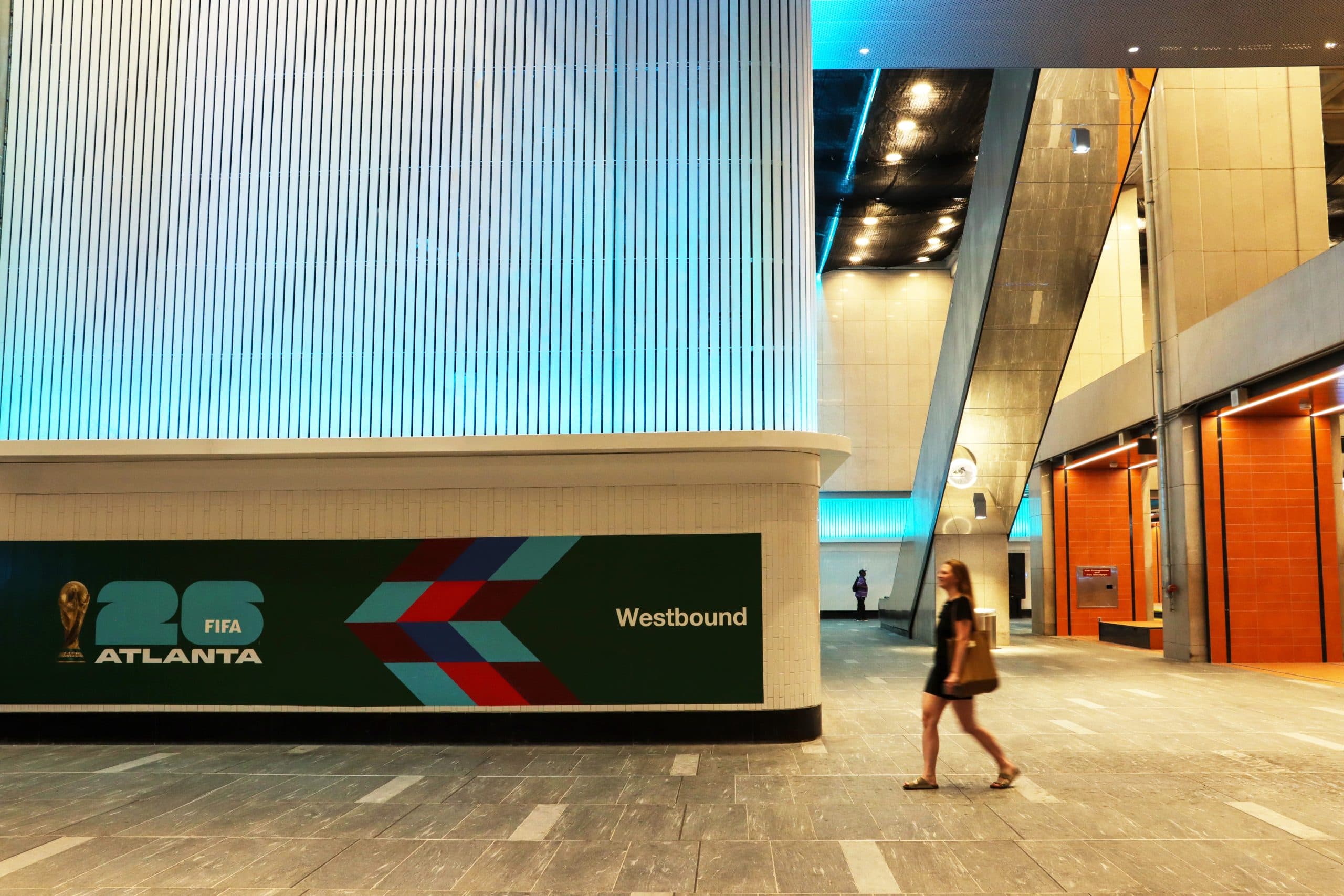
The concentration of World Cup activity at Five Points, Atlanta's historic downtown hub, highlighted the importance of regional transit planning and coordination. Businesses in the hospitality, retail, and food service sectors benefited from the sustained foot traffic and visitor spending that efficient transportation enabled. For Atlanta's logistics and transportation sectors, the event demonstrated the practical value of integrated transit systems in supporting major economic activities and conventions.
The World Cup's transportation success carries broader implications for Atlanta's business community. As the city continues to compete for major events and corporate relocations, the ability to demonstrate a functional, high-capacity transit system becomes a competitive advantage. Stakeholders in real estate, tourism, and corporate services now have concrete evidence of Atlanta's logistical sophistication—a messaging point that could influence future investment and event hosting decisions in the region.