Photo via Fox5 Atlanta
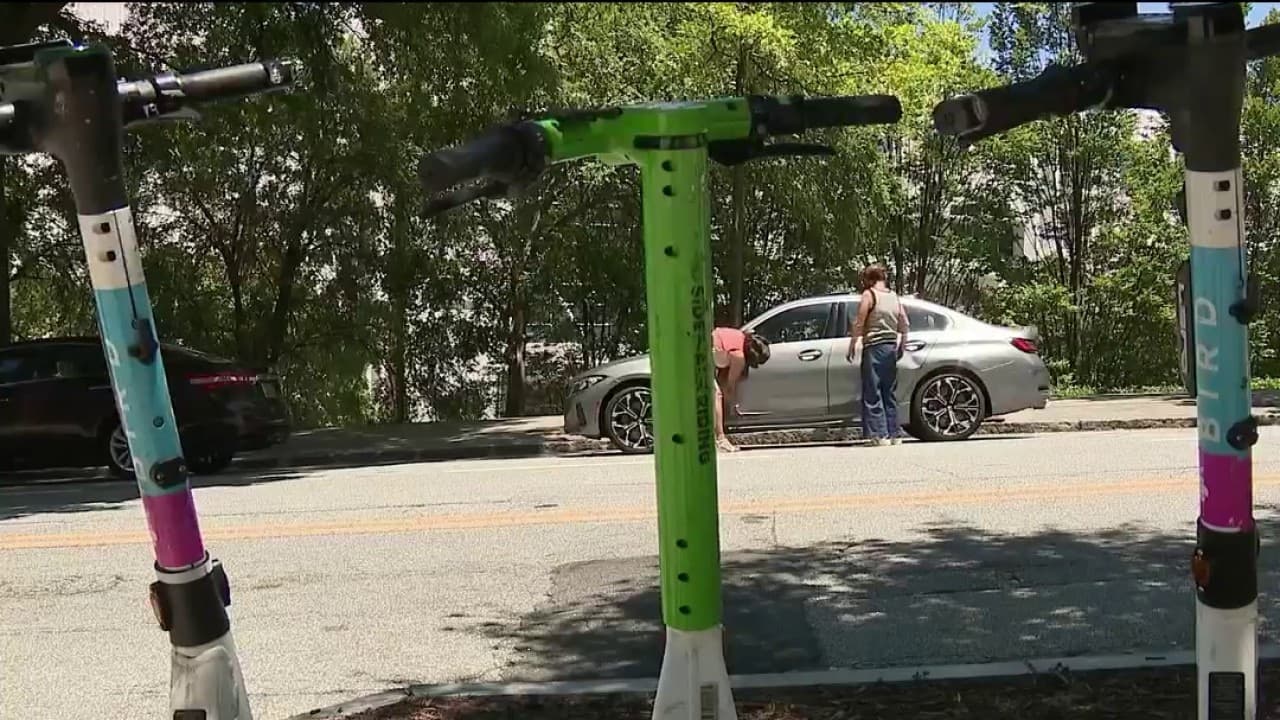
A recent incident in Midtown has reignited the debate over scooter safety in Atlanta's bustling urban core. According to Fox5 Atlanta, an Atlanta driver was struck by a scooter rider, resulting in vehicle damage and prompting the driver to advocate for stricter regulations. The collision underscores a broader tension between the convenience of micro-mobility options and public safety concerns that Atlanta's business community and residents increasingly face.
The proliferation of scooter-sharing services has transformed Atlanta's transportation landscape, particularly in high-density areas like Midtown where commuters and visitors rely on quick, affordable transit solutions. However, incidents like this one suggest that current regulatory frameworks may not adequately address rider behavior, liability, or operational standards. Business leaders and property owners in Atlanta's urban corridors have growing stakes in how these devices are managed on city streets.
Without clear regulations, Atlanta faces potential liability and infrastructure challenges that could affect everything from insurance costs to pedestrian safety. Other major cities have begun implementing licensing requirements, designated riding zones, and speed restrictions to mitigate accidents and injuries. For Atlanta to maintain its competitive edge as a growing metropolitan hub, policymakers should consider whether current oversight is sufficient.
The path forward requires balanced dialogue between scooter companies, city officials, drivers, and the broader Atlanta business community. Thoughtful regulation—rather than prohibition—could preserve the benefits of micro-mobility while establishing clear safety standards that protect residents and reduce costly accidents. As Atlanta continues to grow, establishing responsible guidelines now may prevent more incidents and litigation down the road.