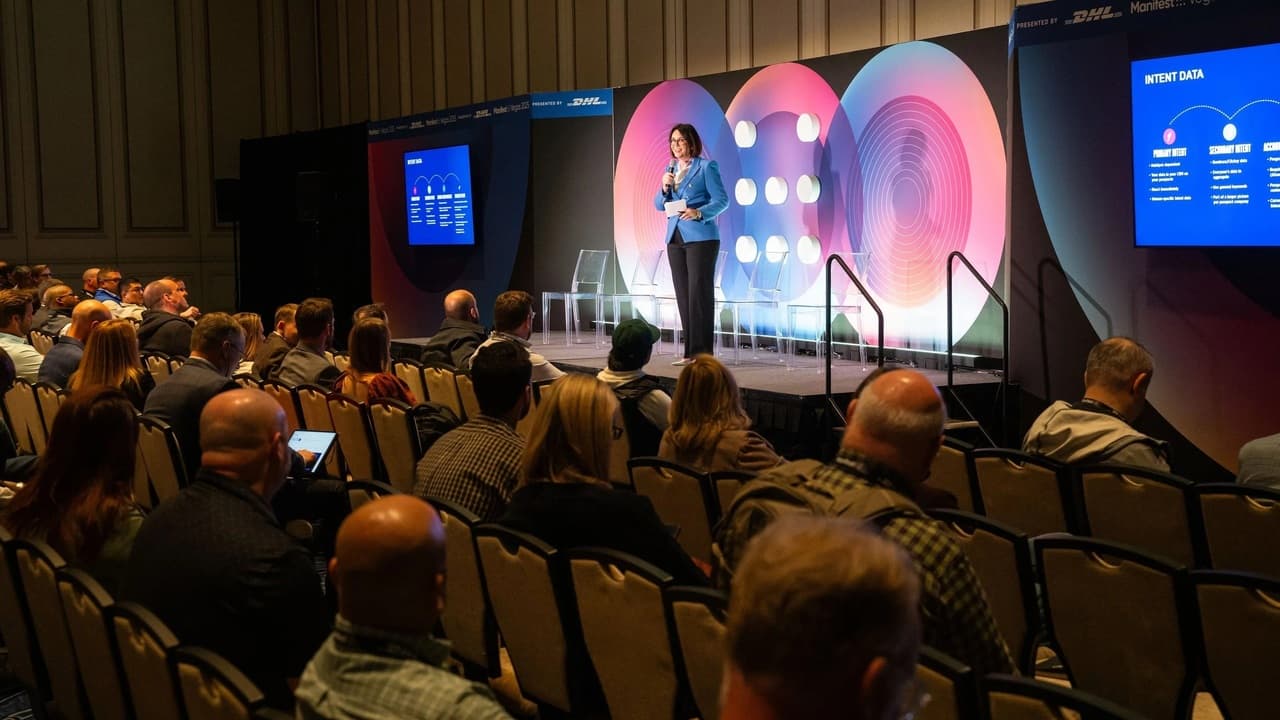
Photo via Fast Company
Atlanta's professional services industry—home to major offices of PwC, Deloitte, KPMG, and McKinsey—faces a significant workforce restructuring as artificial intelligence transforms administrative roles. According to recent Bloomberg reporting, PwC cut 600 U.S. employees in February, with executive assistants and back-office staff among those affected. Peer firms including Deloitte, KPMG, EY, and McKinsey have followed suit over the past year, with some relocating administrative positions to lower-cost regions or overseas entirely.
The shift reflects a dual pressure facing professional services firms: declining overall demand and competitive pressure to reduce costs through automation. According to Bloomberg, AI adoption directly fueled PwC's cuts, suggesting this trend will accelerate across Atlanta's finance, consulting, and legal sectors. While such firms have historically trimmed support staff during economic downturns, the scale and permanence of today's changes differ markedly. Executive assistant positions traditionally offered six-figure salaries in finance and stable career progression—advantages now eroding rapidly.
Research from the Brookings Institution reveals the long-term implications extend beyond individual job losses. Administrative roles have historically served as 'gateway jobs' for workers without college degrees, providing pathways into white-collar careers. As prestigious firms eliminate these positions, Atlanta's entry-level job market may contract significantly, particularly impacting women, who represent a disproportionate share of administrative staff. The displacement threatens career advancement opportunities for thousands of regional workers.
For Atlanta business leaders and policymakers, the challenge is clear: workforce development strategies must evolve to address AI-driven disruption in traditionally stable roles. Companies investing in reskilling programs and career transition support may gain competitive advantages in talent retention. Meanwhile, educational institutions and workforce boards across Georgia should reassess how they prepare workers for an economy where administrative roles no longer serve as reliable economic stepping stones.