Photo via Fox5 Atlanta
Atlanta Mayor Andre Dickens has made housing affordability and neighborhood equity central priorities for his second term, recognizing the acute pressure that rising costs are placing on residents across the city. According to Fox5 Atlanta, the mayor is channeling resources through the Atlanta Neighborhood Reinvestment Initiative, a strategic effort designed to stabilize housing markets and strengthen communities that have historically faced disinvestment and displacement risk.
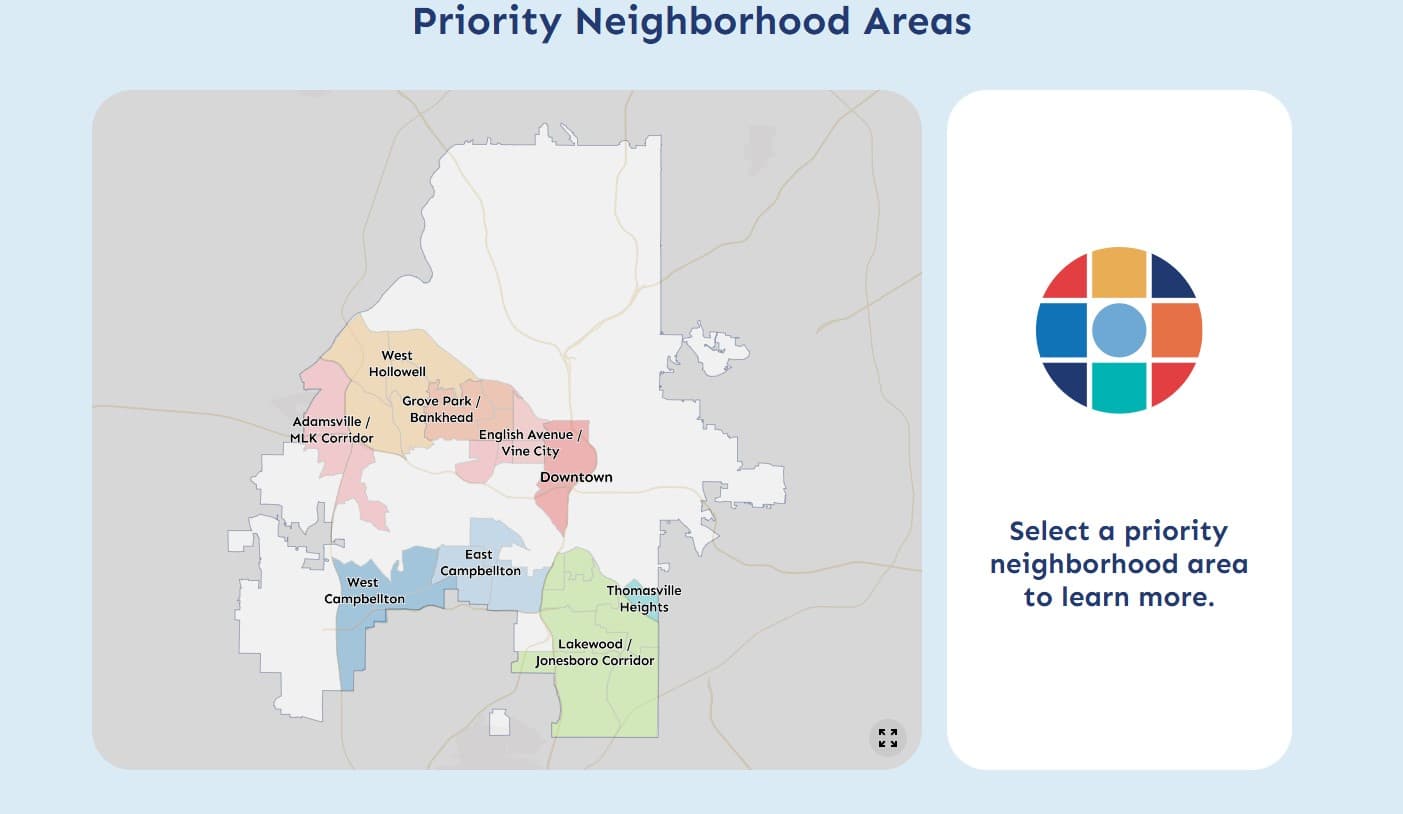
The initiative focuses deliberately on south and west side neighborhoods, areas that have experienced significant demographic shifts and affordability challenges as demand for Atlanta real estate has intensified. By targeting these corridors, city leadership aims to prevent the accelerated gentrification patterns that have reshaped other urban neighborhoods while preserving community character and resident tenure.
For Atlanta's business community, this policy direction signals the city's commitment to inclusive economic development. Real estate investors, developers, and financial institutions operating in these markets should expect increased regulatory attention, potential incentives for workforce housing, and expanded dialogue around community benefit agreements that balance growth with resident protection.
The reinvestment initiative reflects broader recognition that housing stability directly impacts workforce retention, economic productivity, and regional competitiveness. As Atlanta continues attracting corporate relocations and talent migration, ensuring that neighborhoods remain accessible to existing residents and essential workers has become a competitive advantage and moral imperative for municipal leadership.