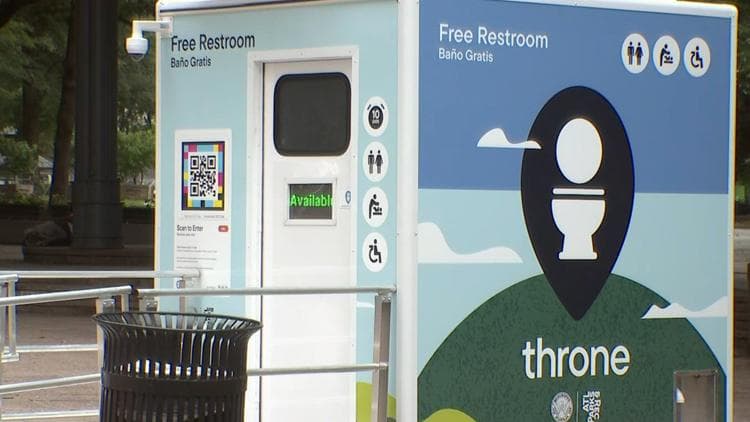
Photo via 11Alive Atlanta
According to research from Georgia State University, more than half of Atlanta's public restrooms do not meet accessibility standards, raising concerns for businesses operating in the city and the residents they serve. The findings highlight a critical gap in infrastructure that affects not only the disability community but also the operational and legal standing of commercial establishments throughout the metro area.
For Atlanta's retail, hospitality, and service-sector businesses, the accessibility shortfall carries real implications. Companies face potential ADA compliance issues, liability exposure, and the risk of losing customers who require accessible facilities. The study underscores the importance for business owners to audit their own facilities and prioritize upgrades as part of broader workplace modernization efforts.
The City of Atlanta, in partnership with supporting organizations, has begun addressing the accessibility gap identified in the study. Business leaders should monitor municipal initiatives and resources that may help offset renovation costs, while also recognizing that accessibility improvements represent both a legal obligation and a competitive advantage in attracting employees and customers in an increasingly conscious marketplace.