Photo via Fox5 Atlanta
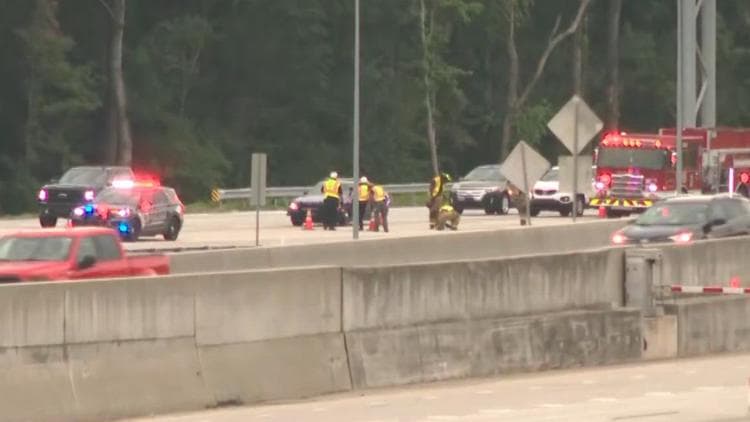
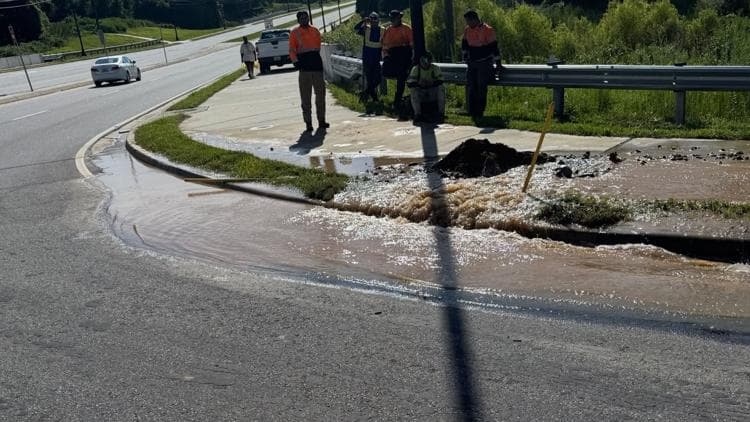
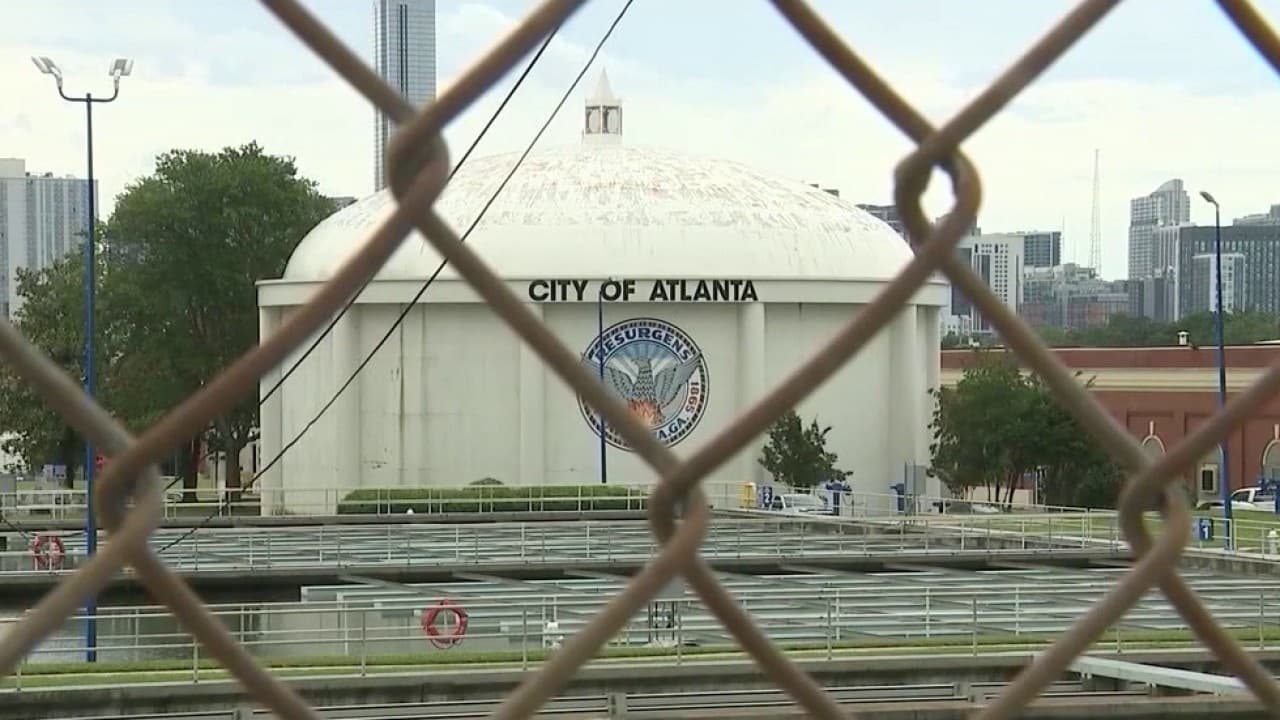
Atlanta City Council members held officials accountable this week following a widespread boil water advisory that affected thousands of residents and businesses across the city. According to Fox5 Atlanta, the questioning focused on how the water system failure occurred and what measures are being implemented to prevent future incidents. For Atlanta businesses—particularly those in food service, healthcare, and hospitality—such advisories create operational disruptions and potential liability concerns.
The boil water advisory underscores vulnerabilities in Atlanta's aging water infrastructure, a challenge that extends beyond residential customers. Commercial enterprises, including restaurants, hotels, and manufacturing facilities, depend on consistent water quality and availability. A breakdown in service can cascade across the local economy, affecting supply chains, customer operations, and business continuity for companies both large and small.
City officials are under increased pressure to address infrastructure resilience as Atlanta continues to experience growth and development. The council's scrutiny signals that stakeholders are demanding transparency and accountability from the agencies responsible for maintaining critical utilities. This moment presents an opportunity for the city to reassess infrastructure investment priorities and long-term planning.
For Atlanta business leaders, the incident serves as a reminder to evaluate contingency planning around essential services. Companies should consider water quality testing, backup systems, and emergency protocols as part of operational risk management. As the city works to resolve these issues, sustained investment in water infrastructure modernization will be essential to protecting Atlanta's economic vitality and competitive standing.