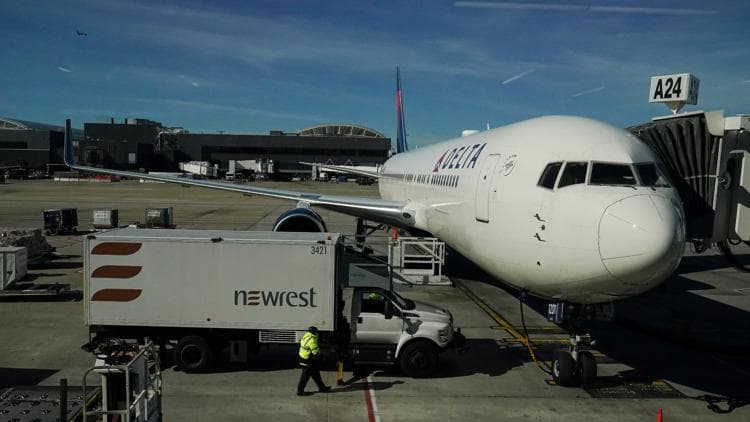
Photo via Fox5 Atlanta
According to Fox5 Atlanta's analysis of recent climate data, summer temperatures across the United States—including the Atlanta metro area—have risen substantially over the past five decades. The trend underscores a growing challenge for businesses operating in the Southeast, where cooling costs and heat-related operational disruptions are becoming more pronounced each year.
For Atlanta's energy sector and commercial real estate market, the warming trend carries direct financial consequences. Increased cooling demands translate to higher utility bills for office buildings, retail spaces, and data centers—all critical infrastructure for the region's growing tech and finance industries. Property developers and facility managers are now factoring climate resilience into long-term capital planning.
The heat escalation also affects workforce productivity and employee retention across Atlanta's competitive job market. As summers become more intense, businesses must invest in better HVAC systems, flexible work arrangements, and employee wellness programs to maintain operational efficiency and attract talent during peak heat months.
Regional industries from logistics to healthcare are beginning to reassess their operational models in light of these climate shifts. Atlanta's position as a logistics hub means supply chain vulnerabilities during extreme heat events could ripple across the Southeast, prompting businesses to invest in climate adaptation strategies now rather than react to crises later.