Photo via 11Alive Atlanta
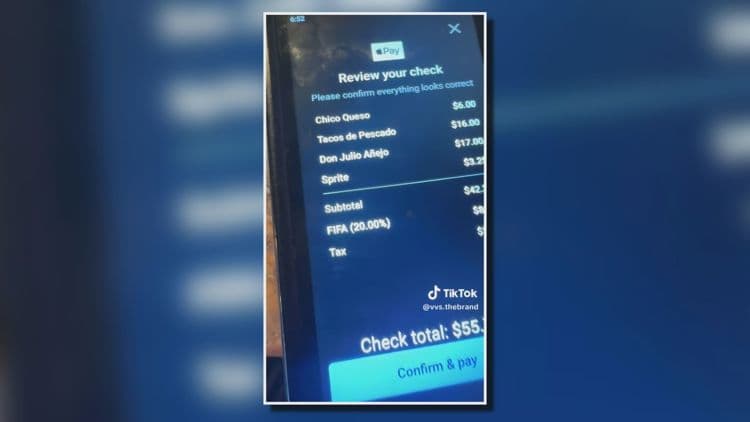
Atlanta's hospitality sector is experiencing significant foot traffic from World Cup visitors, but the influx has prompted some restaurant operators to implement aggressive surcharging practices. According to 11Alive Atlanta, several establishments have added automatic 20% gratuity charges to customer bills, a tactic that has generated pushback from both local and international diners questioning the legitimacy of such fees.
The surcharge controversy highlights a broader challenge facing Atlanta's service industry: balancing operational demands during high-volume events with consumer expectations around transparent pricing. Restaurant owners cite increased labor costs and capacity pressures during major events, yet customers—particularly international visitors unfamiliar with local pricing norms—are questioning whether these charges represent genuine service costs or opportunistic upselling. The tension underscores the importance of clear communication between hospitality businesses and their clientele.
For Atlanta's restaurant community, the World Cup presents both opportunity and reputational risk. Negative guest experiences stemming from unexpected fees could damage the city's tourism brand during a high-profile international event. Industry observers suggest that transparent pricing disclosure and reasonable surcharge justification may prove more profitable long-term than short-term revenue extraction from visiting customers.