Photo via SaportaReport
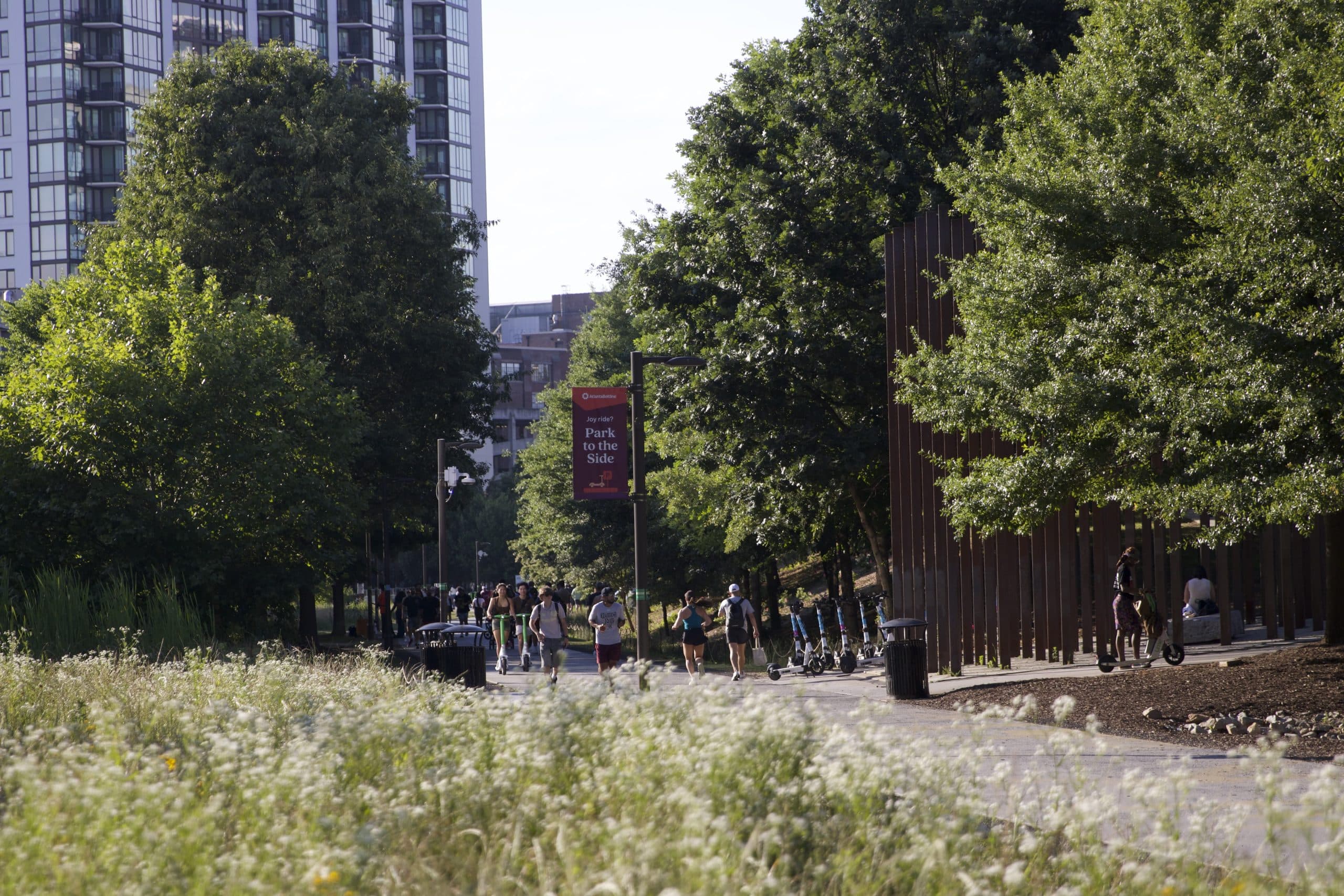
Atlanta has earned recognition as home to the 18th-best park system in the United States, according to the Trust for Public Land's latest ParkScore rankings. The city's climb from 21st place last year reflects major investments in greenspace, including marquee projects like the BeltLine that have transformed neighborhoods and drawn national attention to Atlanta's urban parks strategy.
The timing of this achievement creates a complex narrative for Atlanta's business community. Parks are increasingly recognized as critical infrastructure that drives real estate value, attracts corporate talent, and supports workforce retention—factors that directly impact the region's competitive standing for business investment and growth.
However, the city is simultaneously grappling with potential funding reductions for its park system, raising questions about the city's commitment to maintaining its upward trajectory. Budget constraints could affect maintenance, programming, and planned expansions that neighborhoods and real estate developers have come to expect.
For Atlanta's business leaders, the paradox underscores a broader municipal challenge: balancing quality-of-life investments against fiscal pressures. A slip in park rankings could ripple through commercial real estate, talent recruitment, and the city's broader economic competitiveness in an era where livability directly influences business relocation decisions.