Photo via SaportaReport
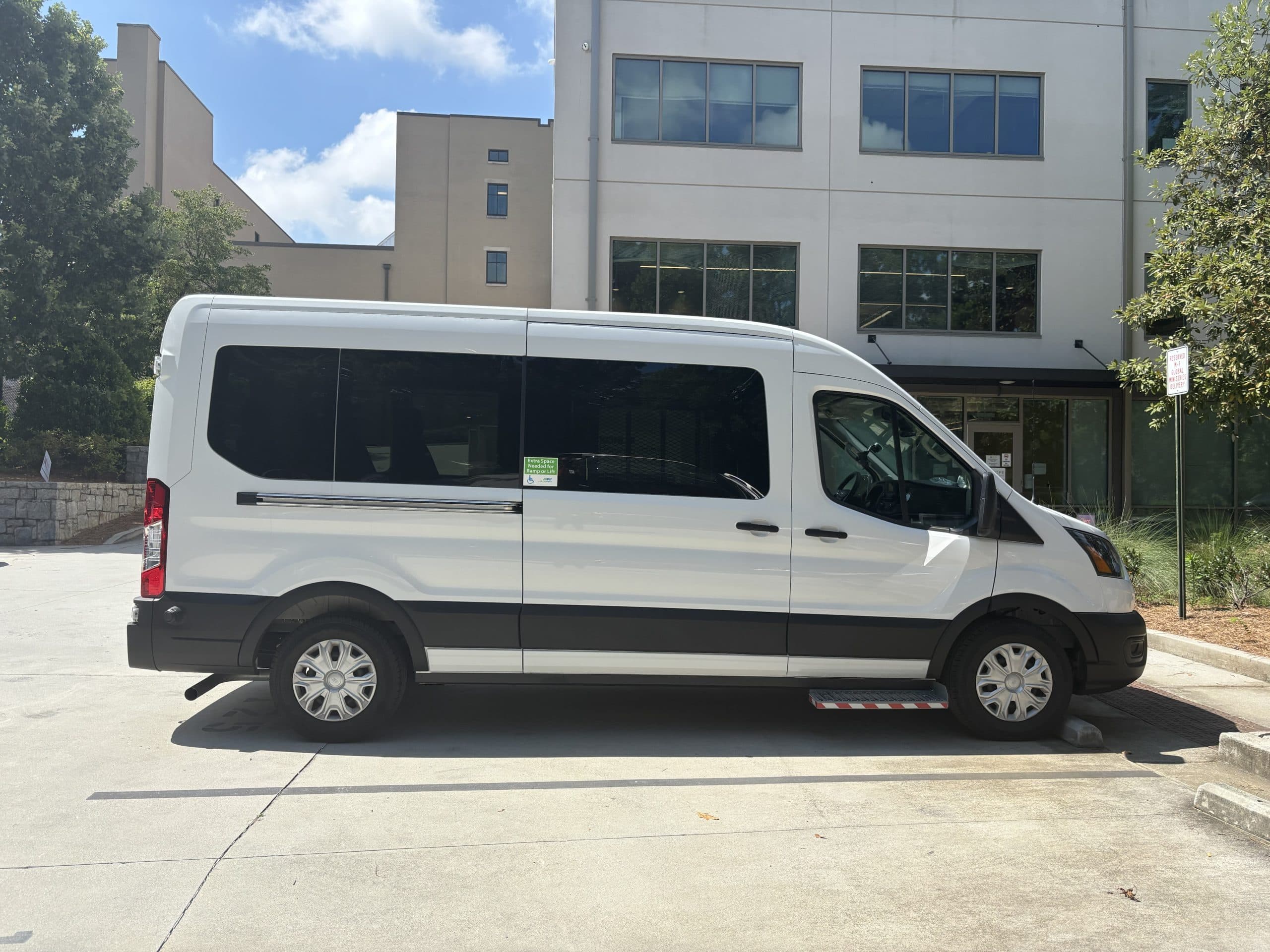
Organizations like Hope Atlanta are confronting a critical service gap: their outreach infrastructure may inadvertently exclude some of the city's most vulnerable residents. According to reporting on the organization's work, an encounter on a freezing January morning highlighted how logistical barriers—such as inaccessible vehicles—can prevent individuals with mobility challenges from accessing warming shelters and support services during life-threatening conditions.
The issue underscores broader questions about how Atlanta's social services sector designs and funds its homelessness response infrastructure. As the city grapples with growing unhoused populations, service providers must balance operational constraints with the reality that accessibility requirements serve a significant portion of their client base. For nonprofits operating on limited budgets, retrofitting vehicles and facilities to meet accessibility standards represents both a mission imperative and a financial challenge.
Business and civic leaders in Atlanta have an opportunity to support systemic improvements through partnerships, corporate giving, and advocacy. Addressing these gaps requires both immediate solutions—accessible transportation and facilities—and longer-term investment in how social services are structured and funded throughout the metro area.