Photo via 11Alive Atlanta
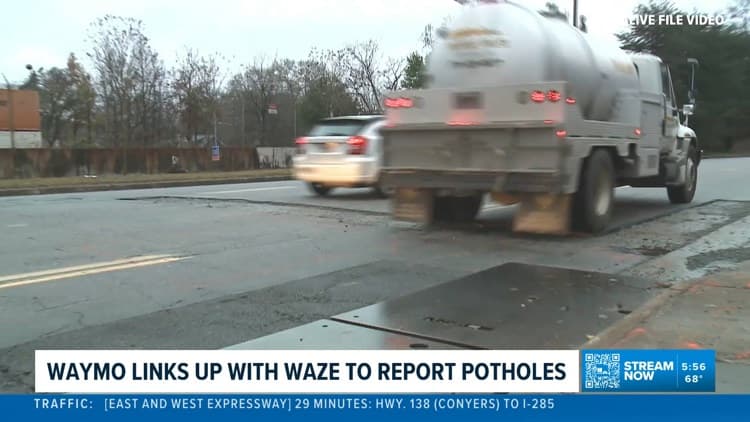
Atlanta has been tapped as one of five U.S. cities participating in Waymo's pilot program to identify and report potholes using autonomous vehicle sensor technology. However, according to 11Alive Atlanta, the city is currently not utilizing the data being collected from Waymo's fleet, raising questions about whether local infrastructure officials are taking full advantage of this technological resource.
The program represents a potentially significant opportunity for Atlanta's Department of Transportation and Public Works to access real-time road condition information without deploying additional municipal resources. Waymo's vehicles are equipped with sophisticated scanning capabilities that can detect surface-level road damage, potentially allowing the city to prioritize repair efforts more efficiently and cost-effectively than traditional inspection methods.
This missed opportunity comes at a time when Atlanta faces ongoing infrastructure maintenance challenges. Many neighborhoods throughout the metro area continue to report pothole problems that affect both vehicle safety and municipal liability. The integration of autonomous vehicle data could streamline the identification and tracking process, allowing city planners to allocate repair budgets more strategically.
Moving forward, Atlanta business leaders and city officials may need to reassess how emerging technologies can support municipal operations. Other pilot cities in the program could provide valuable case studies on implementation best practices. As Atlanta continues to position itself as a tech-forward market, establishing clearer protocols for leveraging private sector technological innovations in public infrastructure management could become increasingly important.