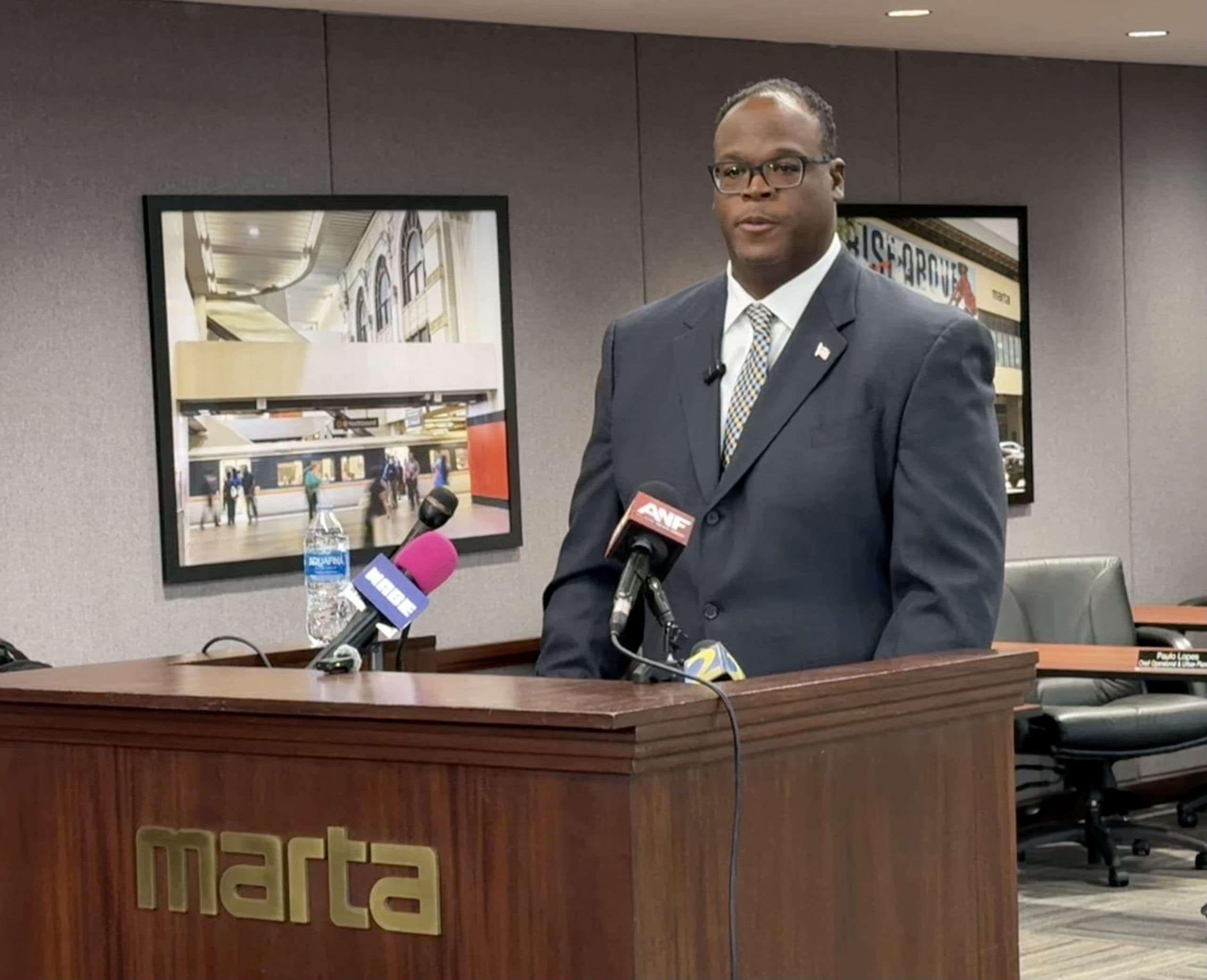
Photo via 11Alive Atlanta
A Georgia judge has declined to vacate the murder conviction of Michael Chapel, a former law enforcement officer, despite his legal team presenting fresh witness accounts and forensic evidence. According to 11Alive Atlanta, the court determined that the newly introduced materials did not meet the threshold required to warrant overturning the 1993 conviction, a decision that closes the door—at least for now—on the defendant's bid for exoneration.
The case highlights the challenges former police officers face when seeking post-conviction relief in Georgia courts. Chapel's legal defense argued that recanted or newly available testimony, combined with updated forensic analysis, warranted a new trial. However, judicial standards for overturning convictions remain stringent, requiring substantial evidence of actual innocence or procedural errors that fundamentally undermined the original trial.
This ruling underscores the complexity of criminal justice appeals within Georgia's legal system and raises questions about how courts weigh evolving evidence standards against finality in long-standing cases. For Atlanta's legal community and those following high-profile local cases, the decision reflects the uphill battle defendants face in securing appellate relief decades after conviction, even when armed with new evidence or witness recantations.