Photo via SaportaReport
Atlanta's Beltline has evolved into far more than a recreational trail—it's become a comprehensive mixed-use development generating billions in economic activity. According to Atlanta Beltline, Inc. President and CEO Clyde Higgs, the corridor now spans a diverse ecosystem of commercial opportunities, from food service to corporate offices, positioning itself as a true 'new business model' for urban development in the Southeast.
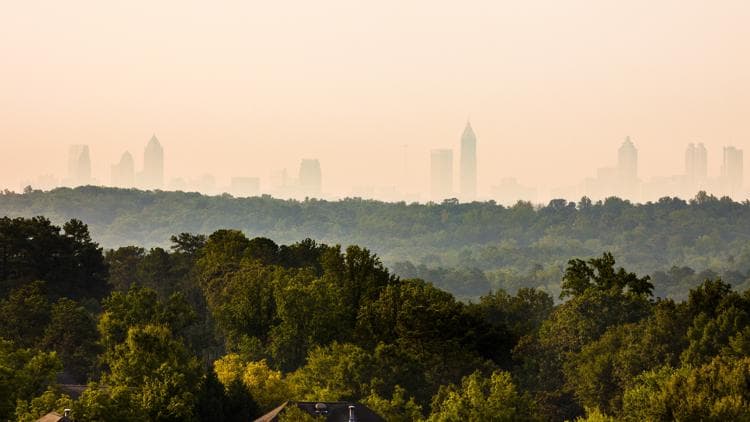
The Beltline's success comes at a critical juncture in Atlanta's history. In the early 2000s, the city faced demographic challenges as residents departed the urban core. The Beltline project reversed that trend by creating a destination that combines lifestyle amenities with genuine commercial infrastructure, attracting both established retailers and emerging entrepreneurs to previously underutilized neighborhoods.
The project's economic impact extends across multiple sectors. The corridor now hosts grocery retailers, technology companies, dining establishments, and office spaces that collectively employ thousands of Atlanta workers. This diversification has made the Beltline particularly resilient—it's not dependent on any single industry or tenant class, but rather serves as an incubator for varied business types competing for space in one of Atlanta's most dynamic commercial zones.
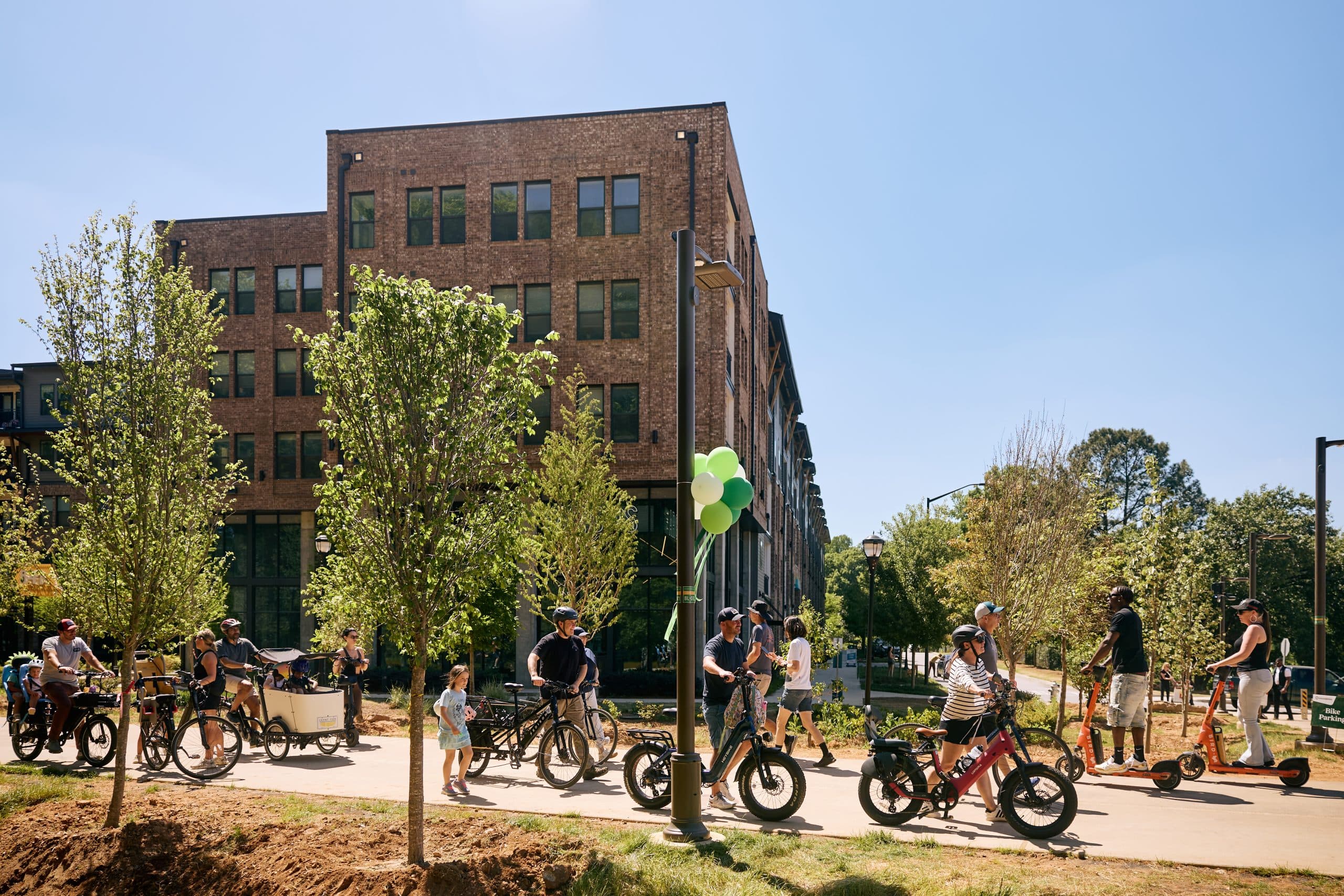
For Atlanta business leaders, the Beltline represents a blueprint for urban revitalization that drives measurable returns. As the project continues to expand—including recent ribbon-cutting events like the Southside Trail extension—investors and entrepreneurs are increasingly viewing Beltline-adjacent locations as premium real estate opportunities with proven foot traffic, community support, and long-term growth potential.