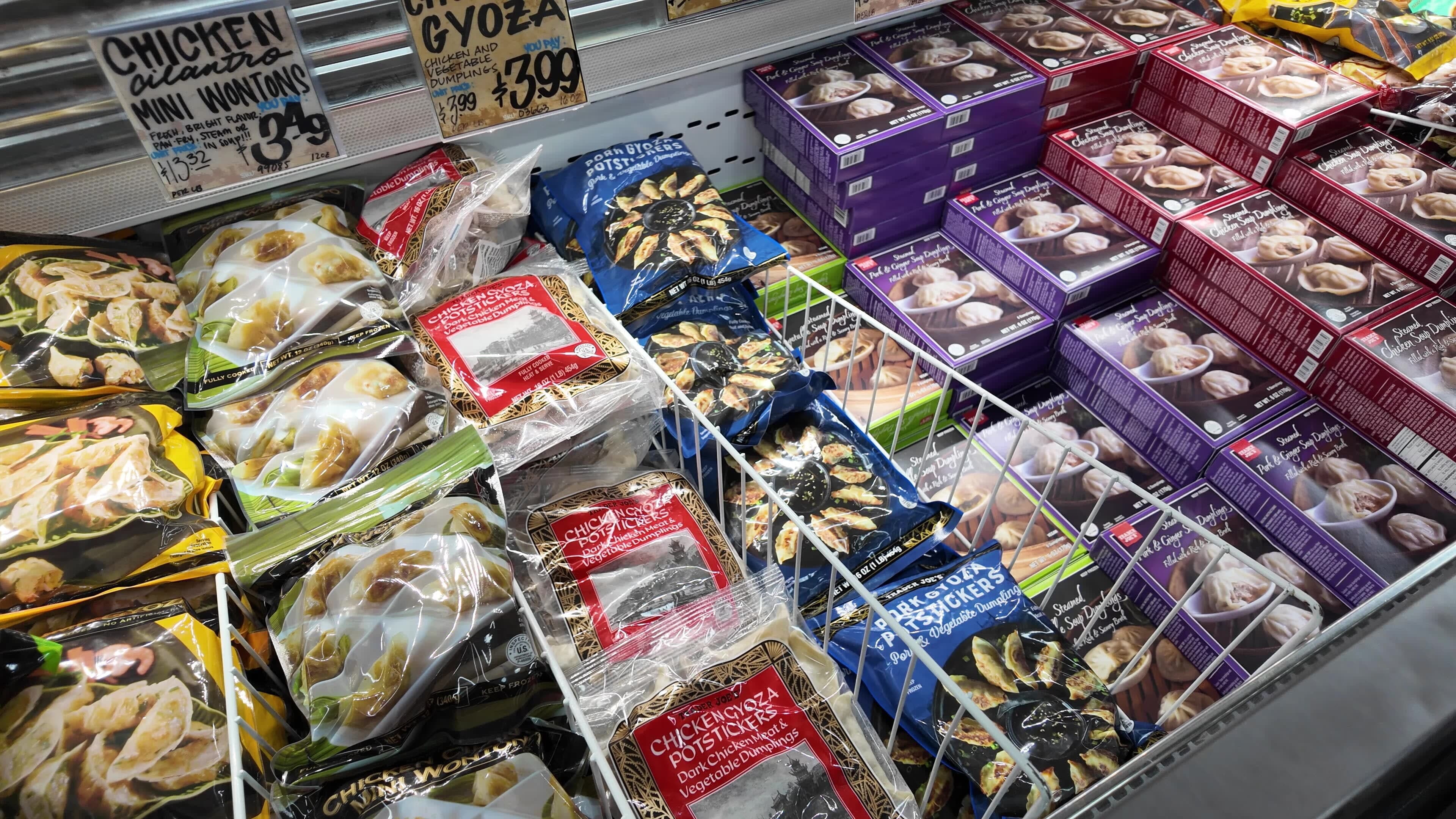
Photo via CNBC Business
Atlanta's retail landscape is shifting as major grocery chains recognize the business opportunity in Asian food products. According to CNBC Business, mainstream supermarkets are moving beyond the model of isolating ethnic groceries to a dedicated aisle, instead integrating Asian staples, sauces, and specialty ingredients throughout their stores. This strategy reflects changing consumer demand and the growing mainstream appeal of Asian cuisine in American households.
The expansion signals a significant shift in how retailers approach product placement and inventory strategy. Rather than confining Asian offerings to a single section, stores are repositioning these items as core grocery categories—placing them alongside conventional pantry staples where shoppers naturally expect to find them. For Atlanta-area grocers, this means rethinking store layouts, supply chain partnerships, and marketing approaches to capture this demographic growth.
This evolution presents both challenges and opportunities for regional retailers and specialty Asian grocers operating in the Atlanta market. As conventional supermarkets enhance their Asian product offerings, independent and ethnic-focused grocery stores must differentiate through specialty items, expert curation, and community relationships. Retailers who can position themselves as authentic sources for higher-quality or harder-to-find products may find a sustainable competitive advantage.
The shift reflects broader demographic and culinary trends reshaping Atlanta's consumer behavior. As interest in Asian flavors continues to rise among diverse consumer groups, retailers who adapt quickly stand to capture increased market share. For Atlanta business owners and investors in the food retail sector, this represents a market-wide repositioning that could reshape competitive dynamics and store profitability across the region.