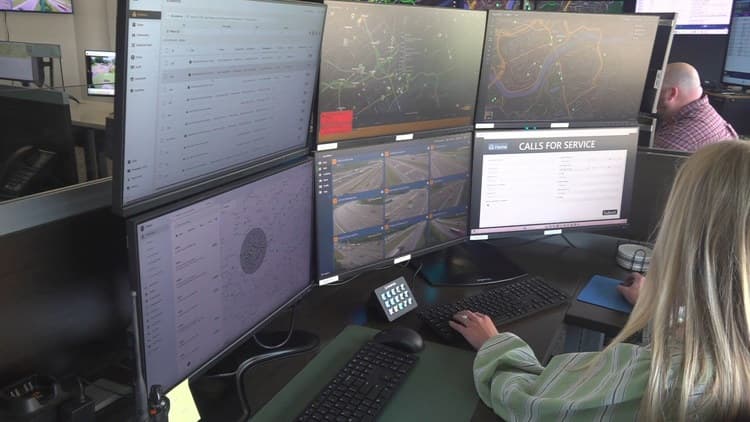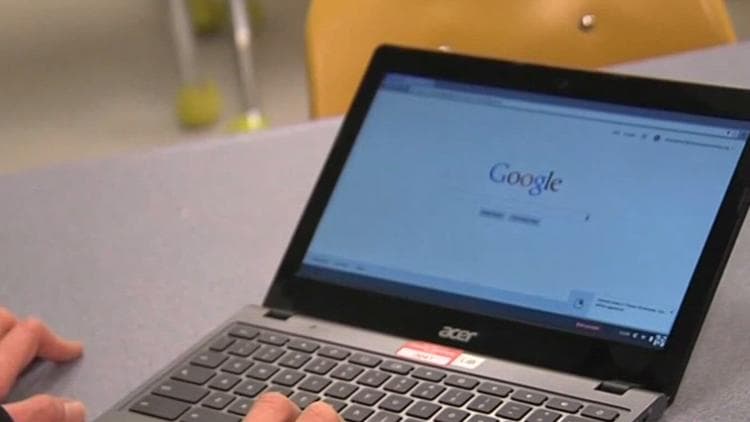
Photo via 11Alive Atlanta
Atlanta Public Schools' board is actively considering new guidelines to moderate classroom screen time, signaling a broader conversation about technology's role in K-12 education. According to 11Alive Atlanta, the initiative reflects growing concern among district leadership about finding the right balance between leveraging digital resources and maintaining instructional quality.
Board leadership has clarified that the proposed policy does not represent a retreat from technology adoption, but rather an effort to establish more thoughtful integration of digital tools. The emphasis on instructional balance suggests APS is responding to research indicating that excessive screen exposure may undermine learning outcomes, while recognizing that technology remains essential for modern education.
This move places Atlanta in line with national conversations about screen time in schools, where educators and administrators are increasingly questioning the assumption that more technology automatically improves student achievement. The policy review could influence how Atlanta's district allocates resources and trains educators to blend traditional and digital instructional methods effectively.
For Atlanta-area businesses and tech companies partnering with schools, the proposed guidelines may prompt conversations about the types of educational technology solutions that align with balanced classroom practices. Districts nationwide are becoming more selective about ed-tech investments, creating opportunities for vendors who can demonstrate measurable learning outcomes without excessive screen dependency.