Photo via Inc.
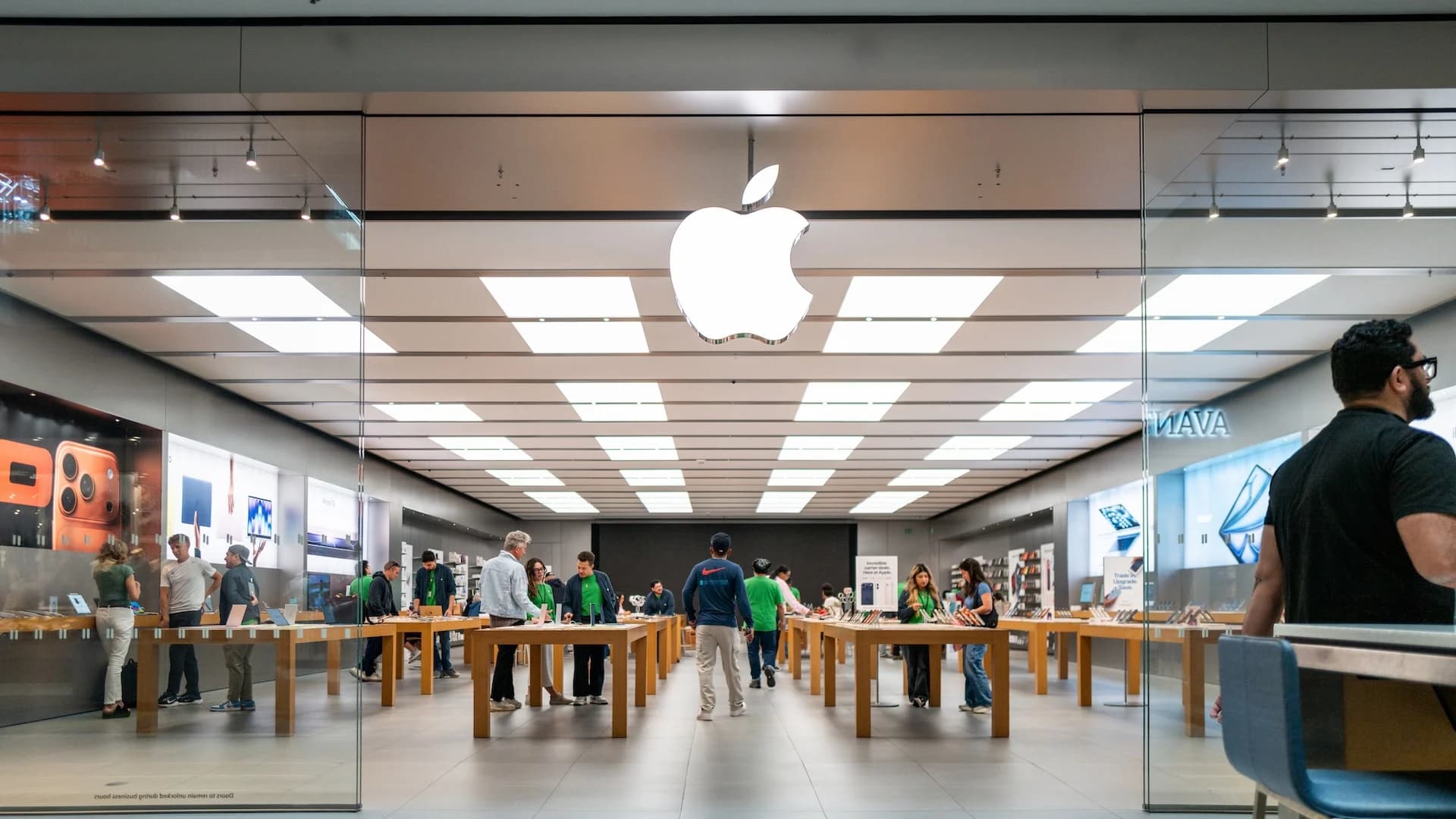
Apple has formally ended its long-standing open-access policy for its education store, according to Inc. The tech giant now requires verification of educational status before customers can access discounted pricing on MacBooks, iPads, and other products. This marks a significant policy shift for a company that has traditionally leveraged education pricing as a cornerstone of its institutional strategy.
The move signals Apple's effort to combat misuse of educational discounts, which have been an open secret in the tech community for years. By tightening verification requirements, Apple aims to ensure that only legitimate students, educators, and institutions benefit from the reduced pricing. For Atlanta-area schools, universities, and educational nonprofits, this change means streamlined but more rigorous purchasing processes.
Educational institutions across Georgia, including those in the Atlanta metropolitan area, may experience shifts in their procurement workflows. Schools that have historically purchased devices through Apple's education channel will now need to maintain proper documentation and verification status. This could affect budget planning and purchasing timelines for IT departments managing classroom technology deployments.
The policy change reflects broader challenges facing tech companies as they balance accessibility with profit protection. For Atlanta businesses and institutions relying on education pricing for bulk device purchases, staying informed about Apple's new verification requirements will be essential to maintaining efficient supply chains and budgeting cycles.