
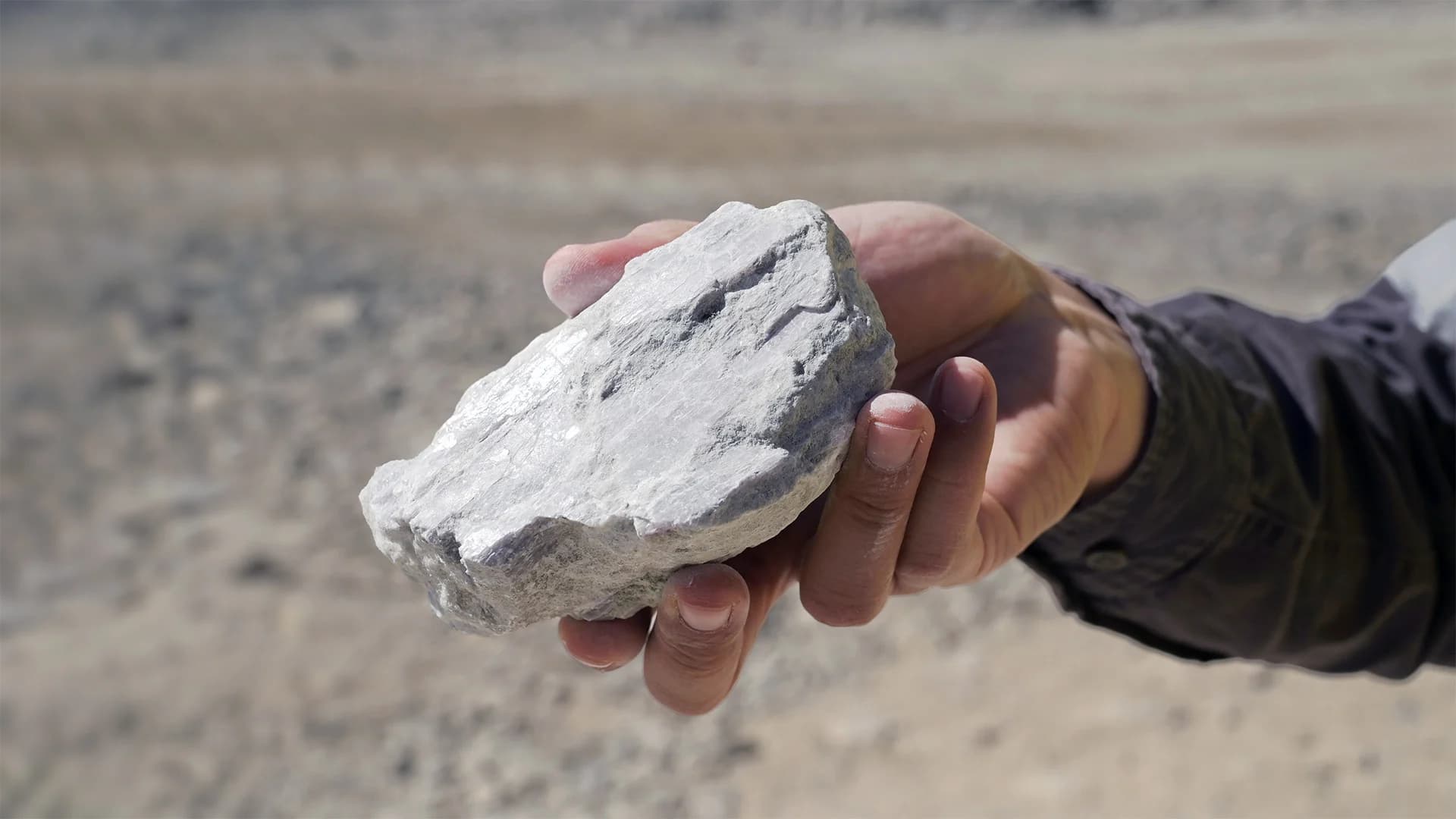
Photo via Inc.
A significant lithium deposit discovered in the Appalachian region could fundamentally alter America's approach to battery material sourcing and electric vehicle production. According to Inc., this discovery addresses a critical vulnerability in the U.S. supply chain that has forced domestic manufacturers to rely heavily on foreign lithium imports. The development comes at a pivotal moment as American automakers race to expand EV capacity and compete globally.
For Georgia's automotive industry, which includes major EV production facilities and a growing battery manufacturing sector, domestic lithium availability could offer competitive advantages in both sourcing costs and supply chain resilience. Companies operating in the state's manufacturing corridor may benefit from reduced material costs and shorter lead times. The discovery also strengthens the case for expanding battery production facilities in the Southeast, a region increasingly positioned as a hub for EV-related manufacturing.
The geopolitical implications of reducing lithium import dependence extend beyond individual companies. Domestically sourced materials would give U.S. manufacturers greater control over production timelines and pricing, reducing vulnerability to international market fluctuations and trade tensions. This shift aligns with broader federal initiatives to build domestic manufacturing capacity in critical industries, including the Inflation Reduction Act's incentives for battery and EV production.
As this Appalachian resource moves closer to commercialization, Atlanta-area businesses in logistics, supply chain management, and automotive services should monitor developments that could reshape regional manufacturing economics. Early movers who establish connections with lithium producers or invest in battery-adjacent operations could position themselves advantageously in an evolving energy economy.