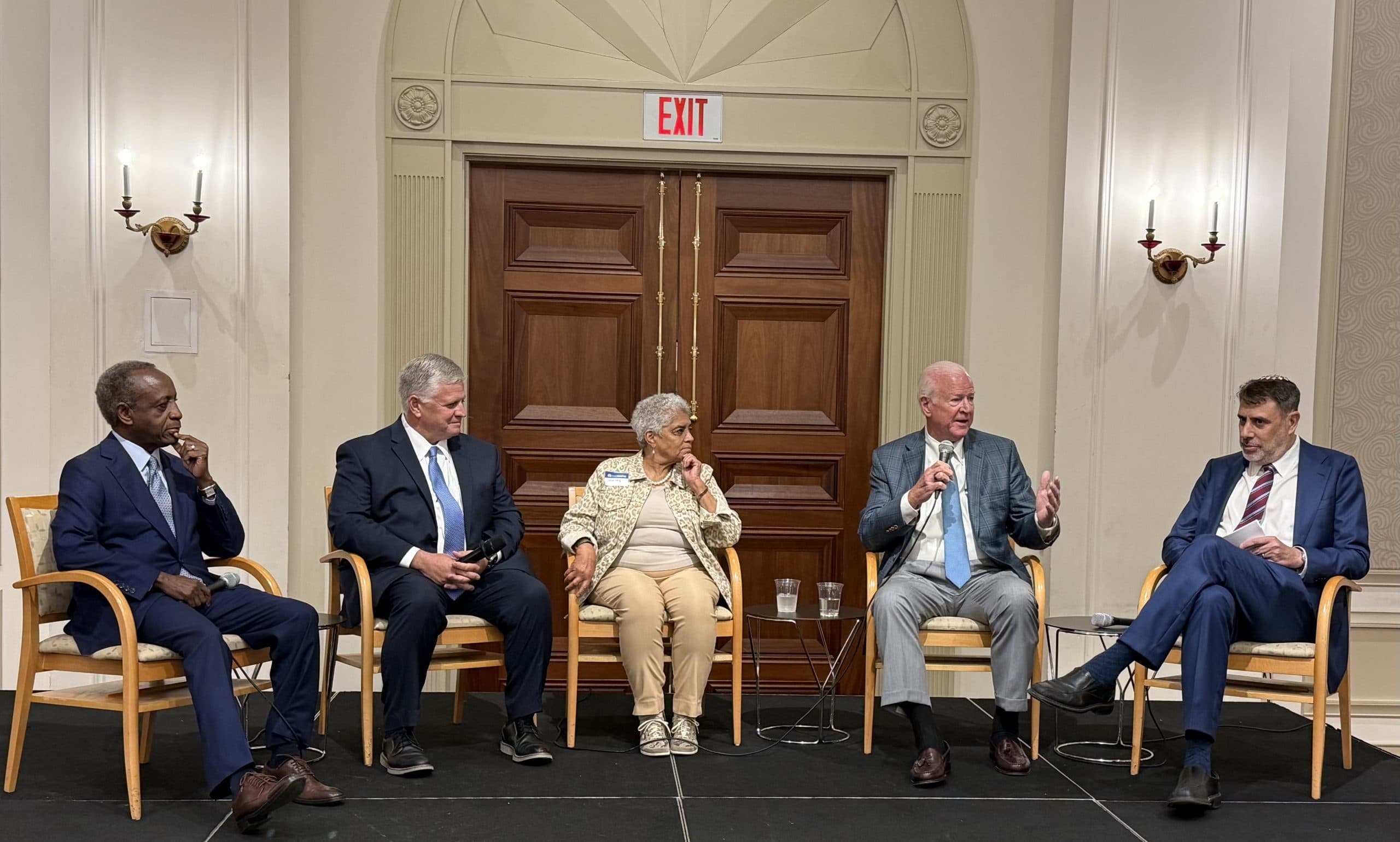
Photo via SaportaReport
This Saturday marks 250 years since the founding of the United States, a sobering moment to assess the health of American democracy and its economic implications. According to SaportaReport, the nation faces significant internal divisions even as it reinforces its historical standing as the world's longest-surviving constitutional republic. For Atlanta's business community, this milestone raises important questions about institutional stability and the conditions necessary for sustained economic growth.
Political polarization has real consequences for commerce and capital allocation. When trust in institutions erodes, businesses face uncertainty in policy predictability, regulatory frameworks, and consumer confidence—all critical factors for Atlanta's diverse economy spanning logistics, technology, healthcare, and finance sectors. Companies considering headquarters relocations, expansions, or major investments increasingly factor political climate and social cohesion into their decision-making processes.
Atlanta's position as a major hub for commerce and innovation depends partly on the broader stability of American governance and markets. Business leaders should engage thoughtfully with these systemic questions not as partisan issues, but as foundational concerns affecting economic prosperity. The next 250 years will be shaped by whether we can address division while maintaining the institutional frameworks that enable commerce and opportunity.