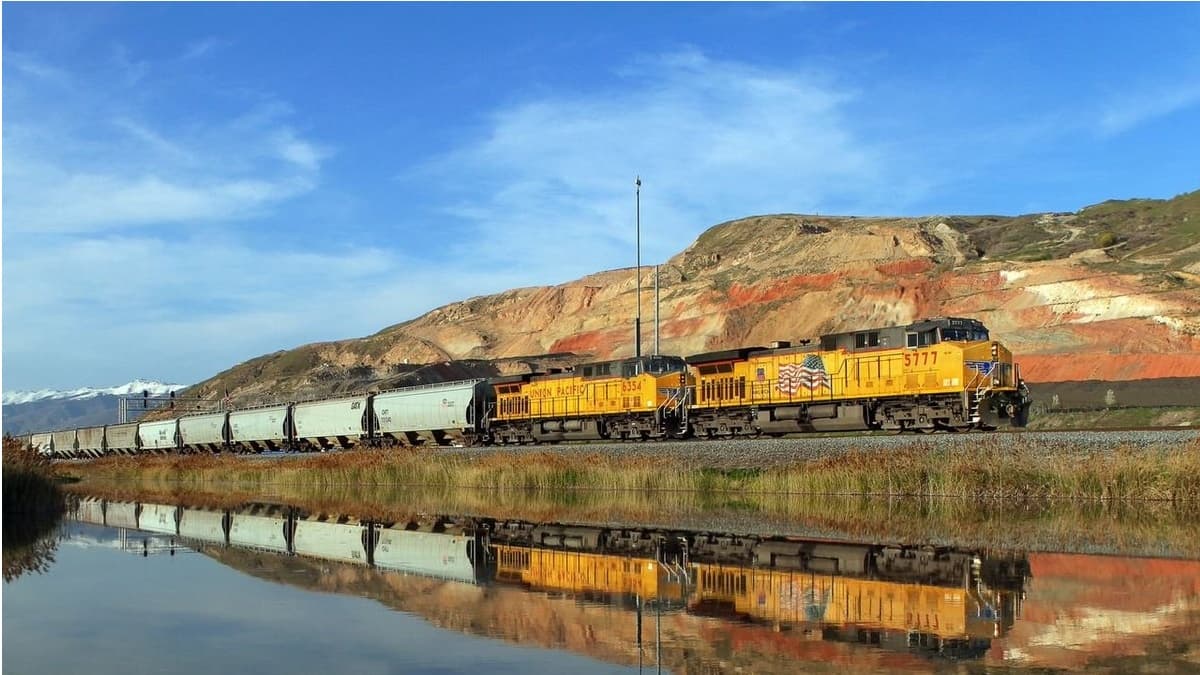
Photo via FreightWaves
According to FreightWaves, Amazon has developed a specialized disaster relief operation that capitalizes on the company's extensive logistics infrastructure to deliver critical supplies to affected regions with speed and precision. The program combines pre-positioned inventory, advanced distribution technology, and coordination with international humanitarian partners to ensure aid reaches impacted communities when moments matter most. This capability became evident during recent global crises, where Amazon's network enabled rapid response deployment.
The foundation of Amazon's disaster relief effectiveness lies in its ability to strategically stockpile supplies at key distribution points before emergencies occur. By analyzing historical disaster patterns and geographic vulnerability, the company positions medical supplies, food, water, and other essentials where they can be rapidly mobilized. This pre-positioning strategy, combined with Amazon's real-time logistics tracking systems, allows the program to navigate chaotic post-disaster environments with efficiency that traditional relief organizations often struggle to match.
Amazon's approach reflects a broader corporate trend toward leveraging private sector capabilities for humanitarian purposes. By integrating disaster relief into its operational framework rather than treating it as a separate charitable function, Amazon demonstrates how supply chain expertise and technological infrastructure can directly amplify the impact of emergency response efforts. This model positions the company as a critical infrastructure partner in global crisis management.