Photo via TechCrunch
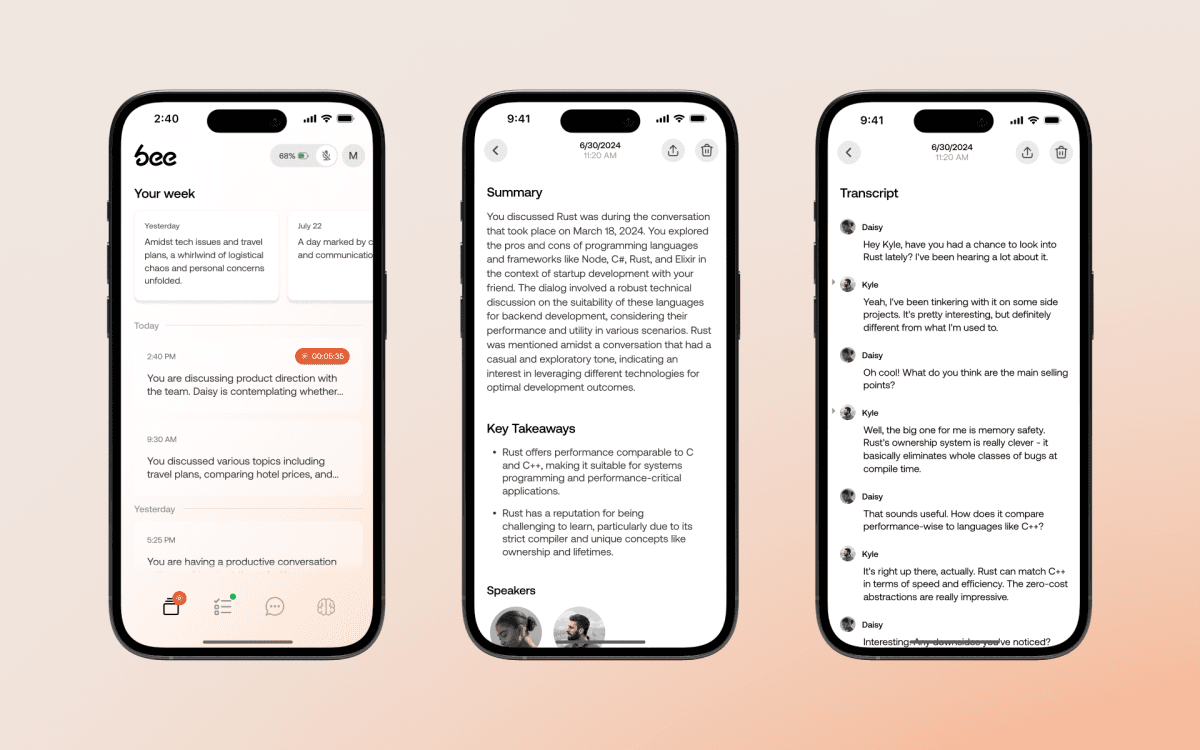
Amazon has entered the AI wearable market with Bee, a device that exemplifies the growing tension between technological capability and consumer privacy concerns. According to TechCrunch's hands-on review, the wearable delivers undeniable convenience features powered by artificial intelligence, yet simultaneously triggers legitimate questions about data collection and user surveillance that Atlanta business leaders should carefully evaluate before deployment.
For Atlanta's growing tech sector and corporate headquarters, understanding this privacy-convenience tradeoff is essential. Companies considering AI wearables for employees—whether for productivity tracking, health monitoring, or real-time assistance—must weigh genuine operational benefits against potential employee concerns and regulatory compliance issues that could expose organizations to liability or reputational risk.
The Bee wearable represents a broader industry trend where convenience often comes bundled with data collection mechanisms. As more sophisticated AI devices enter workplaces across Atlanta's financial services, logistics, and healthcare sectors, executives need clear frameworks for evaluating what data is collected, how it's stored, who accesses it, and whether benefits justify the privacy implications for their workforce.
Atlanta business leaders should approach emerging AI wearables with informed skepticism. Before adoption, companies should conduct thorough privacy audits, establish clear data governance policies, and maintain transparent communication with employees about any monitoring or data collection. This measured approach allows organizations to harness innovation while protecting both employee privacy rights and corporate interests.