Photo via Inc.
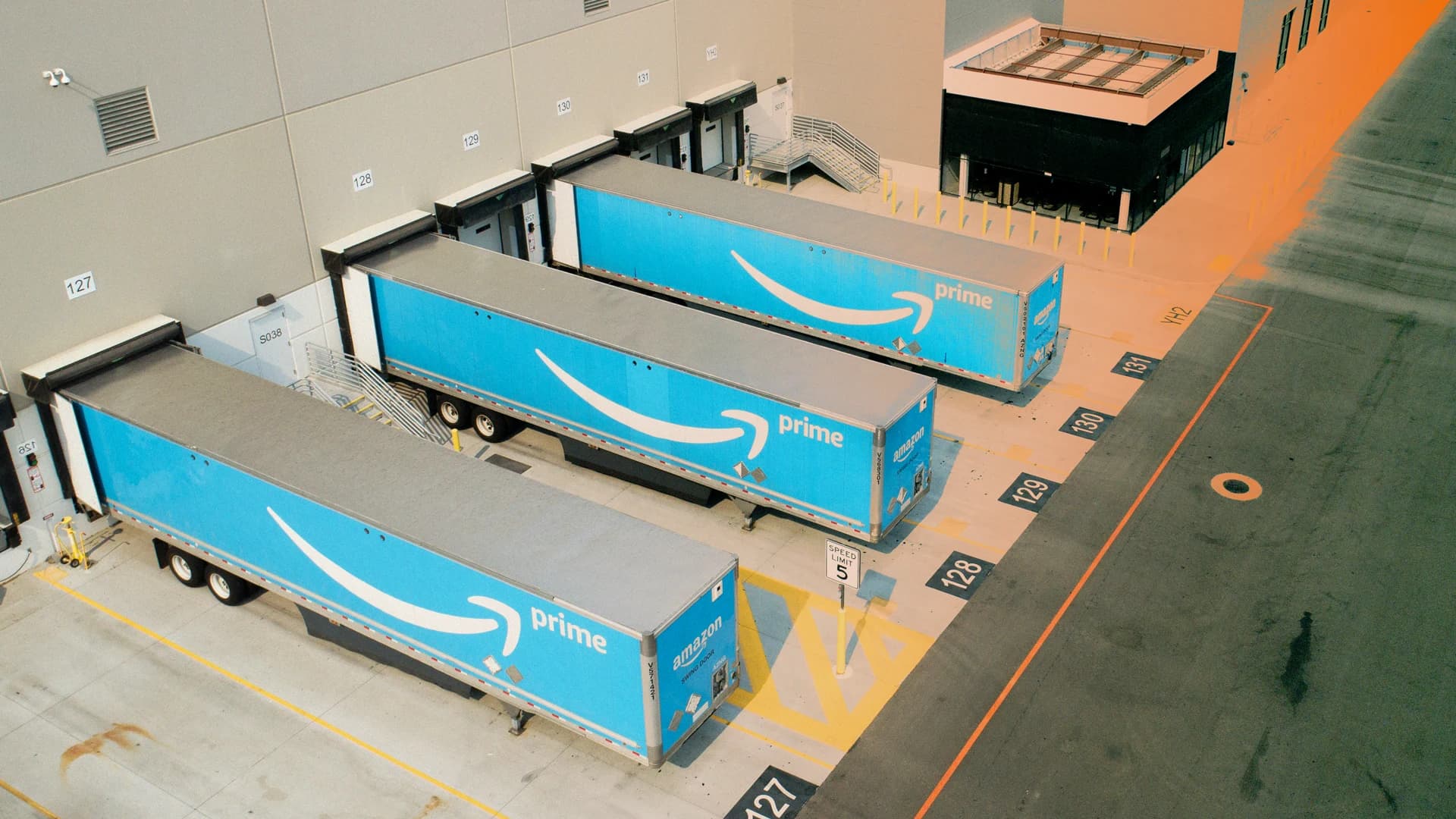
Amazon is fundamentally reshaping the logistics landscape by opening its delivery network to external businesses—a strategic move that represents a significant departure from its traditionally closed ecosystem. According to Inc., this expansion signals Amazon's confidence in its operational scale while positioning the company as a critical infrastructure provider for the entire shipping industry.
For Atlanta's business community, this shift carries immediate implications. The region hosts numerous e-commerce retailers, third-party sellers, and logistics providers who now face a critical decision: leverage Amazon's proven delivery capabilities or continue investing in proprietary systems. Companies that have built competitive advantages around their own distribution networks may need to reconsider their long-term strategy.
Traditional shipping rivals like UPS and FedEx—both major presences in the Southeast—will likely face renewed competitive pressure as Amazon's network becomes available to their customers. This could accelerate industry consolidation and force established players to either innovate aggressively or consider partnerships with Amazon's infrastructure, fundamentally altering how goods move through Georgia's supply chain.
For Atlanta-based retailers and logistics startups, the opportunity and challenge are equally stark. Businesses must evaluate whether Amazon's delivery option enhances their operations or creates dependency on a competitor. Strategic foresight will be essential as companies navigate this new competitive environment and determine how to position themselves in an industry undergoing rapid transformation.