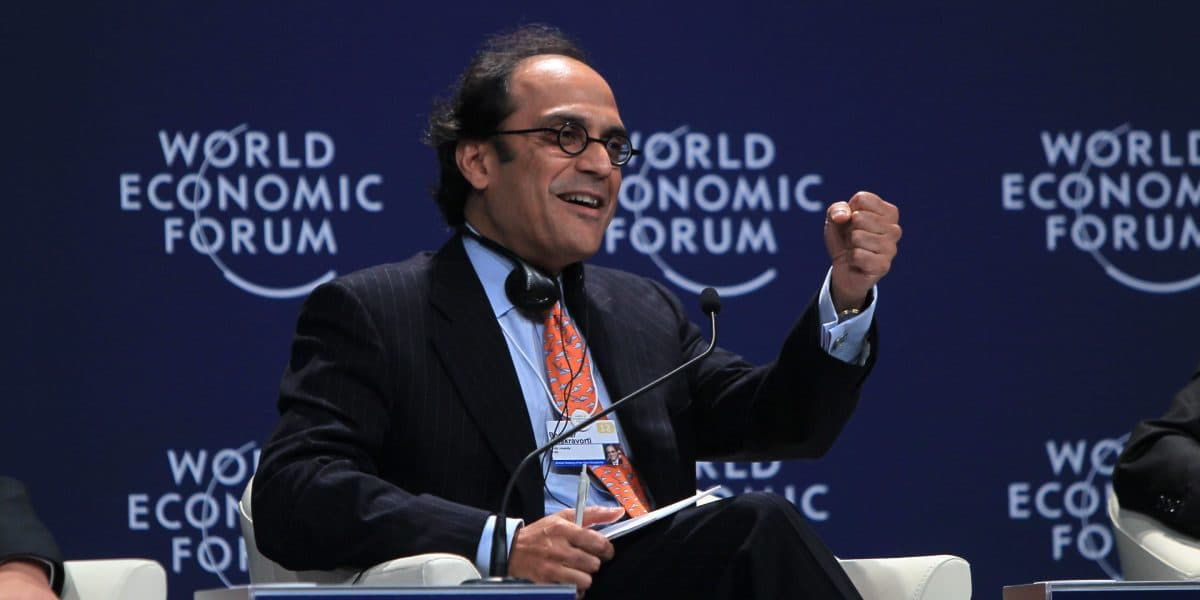
Photo via Fortune
According to Fortune, Tufts University economist Bhaskar Chakravorti has emerged as a leading voice cautioning that artificial intelligence adoption may create an unexpected crisis: mass displacement of skilled workers precisely in the cities where the technology sector thrives. His research challenges the notion that AI will simply create new opportunities to offset job losses, suggesting instead that the disruption will be concentrated in urban centers that have built economies around professional services and knowledge work.
For Atlanta business leaders, this analysis carries particular relevance. The city has invested heavily in attracting tech companies and building a reputation as a growing innovation hub, with major corporate headquarters and expanding startup ecosystems. If Chakravorti's thesis holds, Atlanta could face unique economic pressures as AI automates roles in finance, consulting, professional services, and technology itself—industries that have become increasingly central to the metro area's economic identity.
The economist's "Wired Belt" concept extends the familiar "Rust Belt" framing to describe prosperous tech-centric regions vulnerable to technological disruption. Unlike past economic shifts that rippled across regions gradually, AI adoption could compress these transitions significantly, potentially overwhelming local workforce retraining and adjustment mechanisms that cities like Atlanta might deploy.
The implications extend beyond recruitment and retention challenges. Atlanta's real estate market, consumer spending patterns, and tax base all depend on sustained employment in high-wage sectors. Business leaders and policymakers should consider how workforce planning, education partnerships, and economic diversification strategies might mitigate risks outlined in Chakravorti's research as AI deployment accelerates.