Photo via FreightWaves
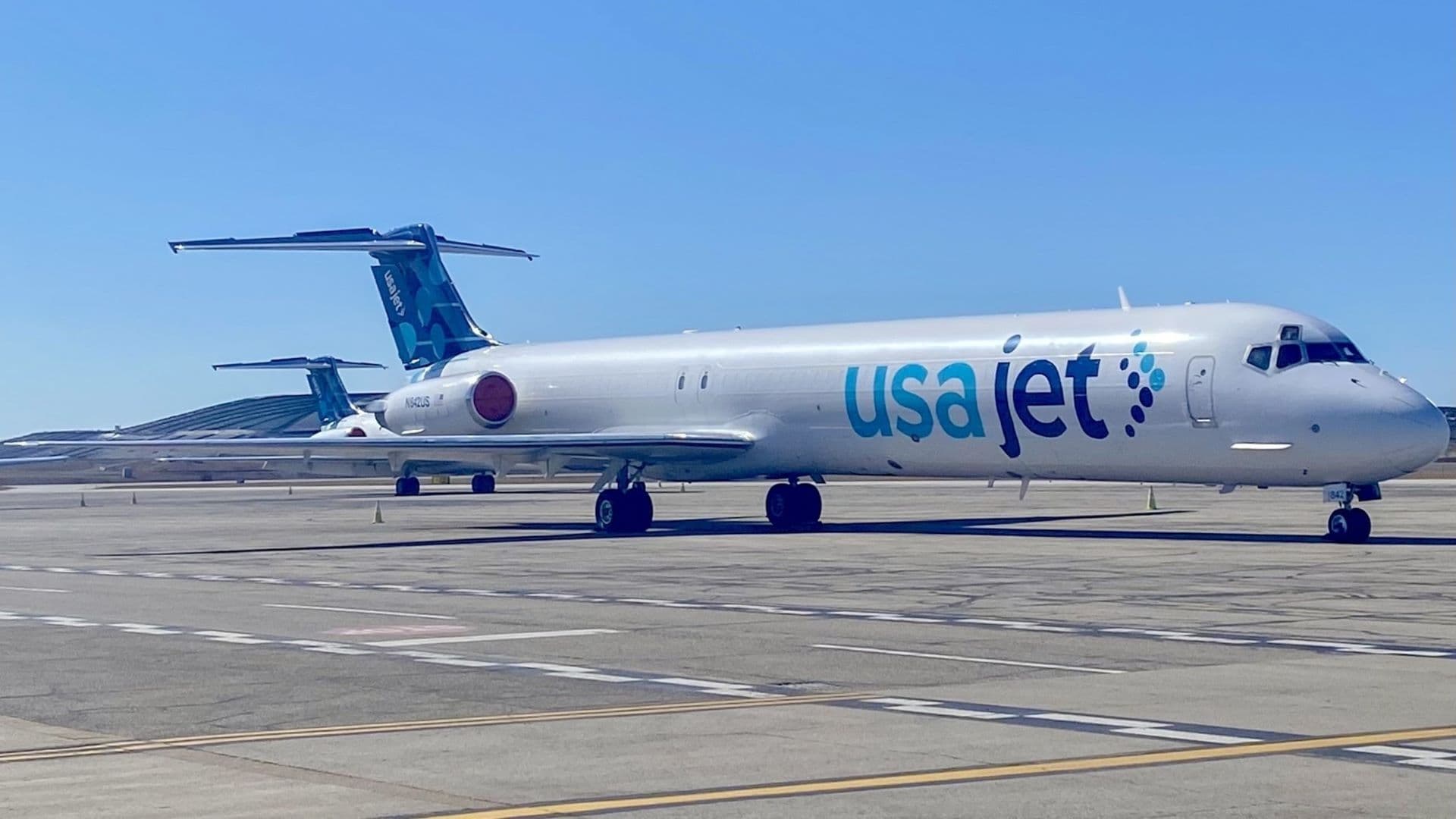
Global Crossing Airlines has taken legal action against Ascent Global Logistics, a freight broker and shareholder, alleging the company violated contractual obligations by diverting charter flight business to its own competing cargo airline. According to FreightWaves, the lawsuit centers on claims that Ascent's decision to favor its in-house operations caused measurable harm to Global Crossing's revenue.
The dispute underscores growing tension in the cargo aviation sector, where partnerships between airlines and logistics firms have become increasingly common as companies seek to diversify revenue streams beyond traditional passenger operations. When investors hold stakes in multiple competing entities, conflicts of interest can emerge that strain business relationships.
For Atlanta-area logistics and transportation companies, the case serves as a cautionary tale about structuring partnerships and clearly defining exclusivity rights in contracts. The city's robust logistics hub—anchored by major carriers and freight forwarders—makes such partnership disputes particularly relevant to local operators navigating complex agreements.
The outcome of this breach-of-contract claim could influence how freight brokers and airlines approach future partnerships, potentially leading to more stringent contractual language around customer allocation and competitive activities. Industry observers will be watching to see how courts evaluate the balance between investor rights and contractual obligations in the cargo sector.