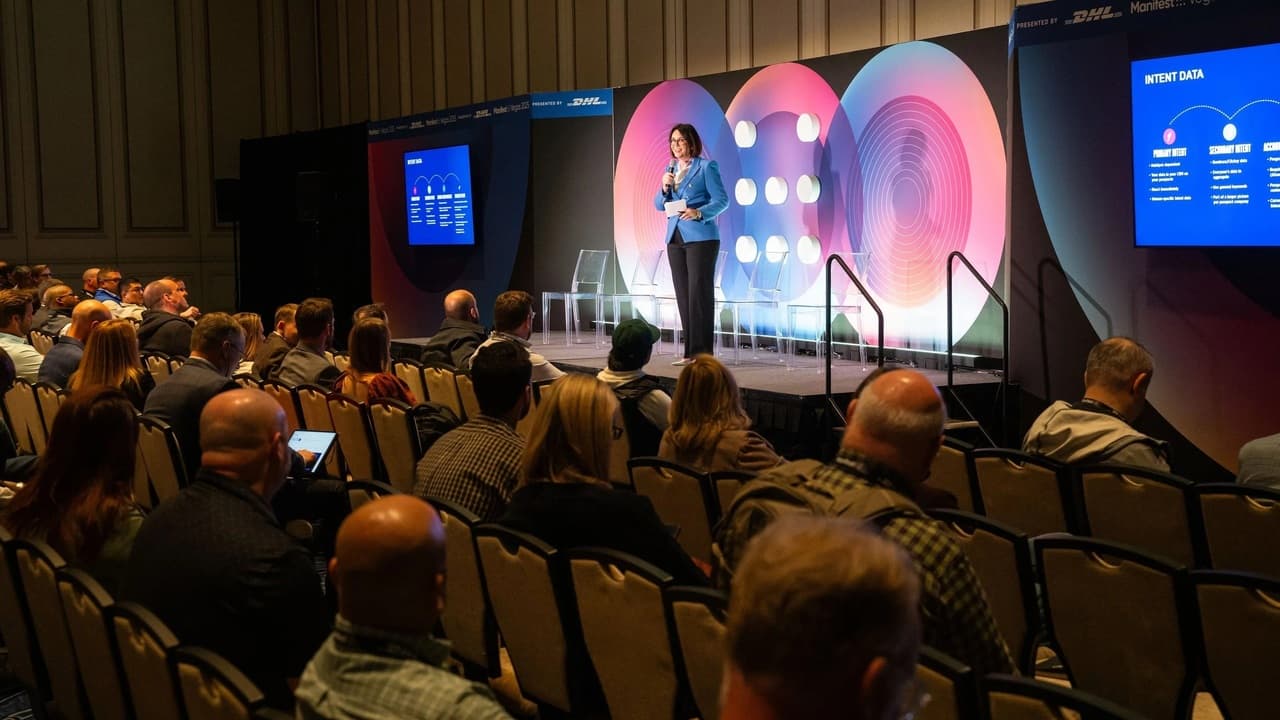
Photo via Fast Company
The software engineering profession faces an existential question as AI tools automate routine coding tasks. Yet according to industry veterans, the real story is one of expansion rather than obsolescence. The fundamental nature of engineering work—solving complex problems and building systems that deliver value—remains uniquely human, even as AI handles code generation, testing, and routine implementation tasks. This distinction matters profoundly for Atlanta's growing tech workforce.
The engineering role is undergoing a significant transformation from specialist coder to generalist orchestrator. Tomorrow's engineers will increasingly supervise AI agents that handle boilerplate and routine logic while focusing their own efforts on understanding system constraints, aligning outputs with business goals, and ensuring resilience and security. This shift demands deeper technical knowledge, not less—engineers must understand underlying architecture, failure modes, and performance bottlenecks well enough to evaluate whether AI-generated outputs are production-ready.
However, the transition presents genuine risks the industry must confront. The elimination of junior-level coding work threatens the apprenticeship pipeline that has traditionally trained new engineers. Additionally, practitioners report skill erosion and cognitive fatigue as they manage multiple AI agent workflows simultaneously. Atlanta companies adopting these tools should establish structured mentorship programs and support systems to prevent talent pipeline disruption and burnout.
The economic outlook mirrors historical productivity gains: as AI reduces software development costs, demand for custom applications will surge rather than contract. Companies viewing AI primarily as a cost-cutting tool often fail, while those investing in team expansion and AI integration gain competitive advantage. For Atlanta's business community, this suggests sustained demand for engineering talent alongside pressure to rapidly reskill existing workforces in AI-assisted development practices.