Photo via Inc.
The next wave of artificial intelligence technology won't arrive on a screen in your pocket—it will sit on your wrist, around your neck, or embedded in your glasses. However, according to Inc., these AI wearables face a distinctly different adoption barrier than their smartphone and laptop predecessors: social acceptance. While professionals have normalized working on laptops in coffee shops and checking phones in meetings, wearable AI devices must clear a higher cultural hurdle before they become everyday tools in Atlanta's business community.
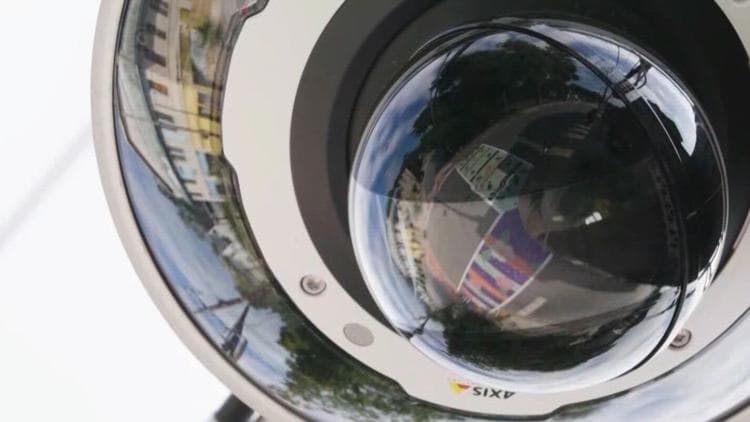
The challenge centers on visibility and perception. A person wearing an AI-enabled device in public may inadvertently signal surveillance capabilities or appear disconnected from social interactions—concerns that didn't plague earlier technologies. For Atlanta-based tech companies and entrepreneurs developing wearable solutions, understanding these social dynamics will be critical to product design and marketing strategies. The city's thriving tech startup ecosystem, concentrated in areas like Midtown and Tech Square, will likely serve as an early testing ground for how these devices integrate into professional spaces.
Manufacturers are beginning to recognize that technical capability alone won't drive adoption. The devices must feel natural to wear and use in shared spaces without making others uncomfortable or creating misperceptions about their function. This represents a unique challenge compared to the relatively straightforward rollout of smartphones and laptops, which offered clear, immediately recognizable benefits and didn't trigger privacy or surveillance concerns in the same way.
For Atlanta businesses considering investment in or adoption of wearable AI technology, the lesson is clear: market success will depend as much on cultural fit as on innovation. Companies that can develop wearables perceived as beneficial rather than intrusive—and that align with professional norms—will be positioned to capture market share as the technology matures. The next few years will reveal whether these devices can pass the ultimate test: becoming as unremarkable in a coffee shop as a laptop is today.