Photo via Inc.
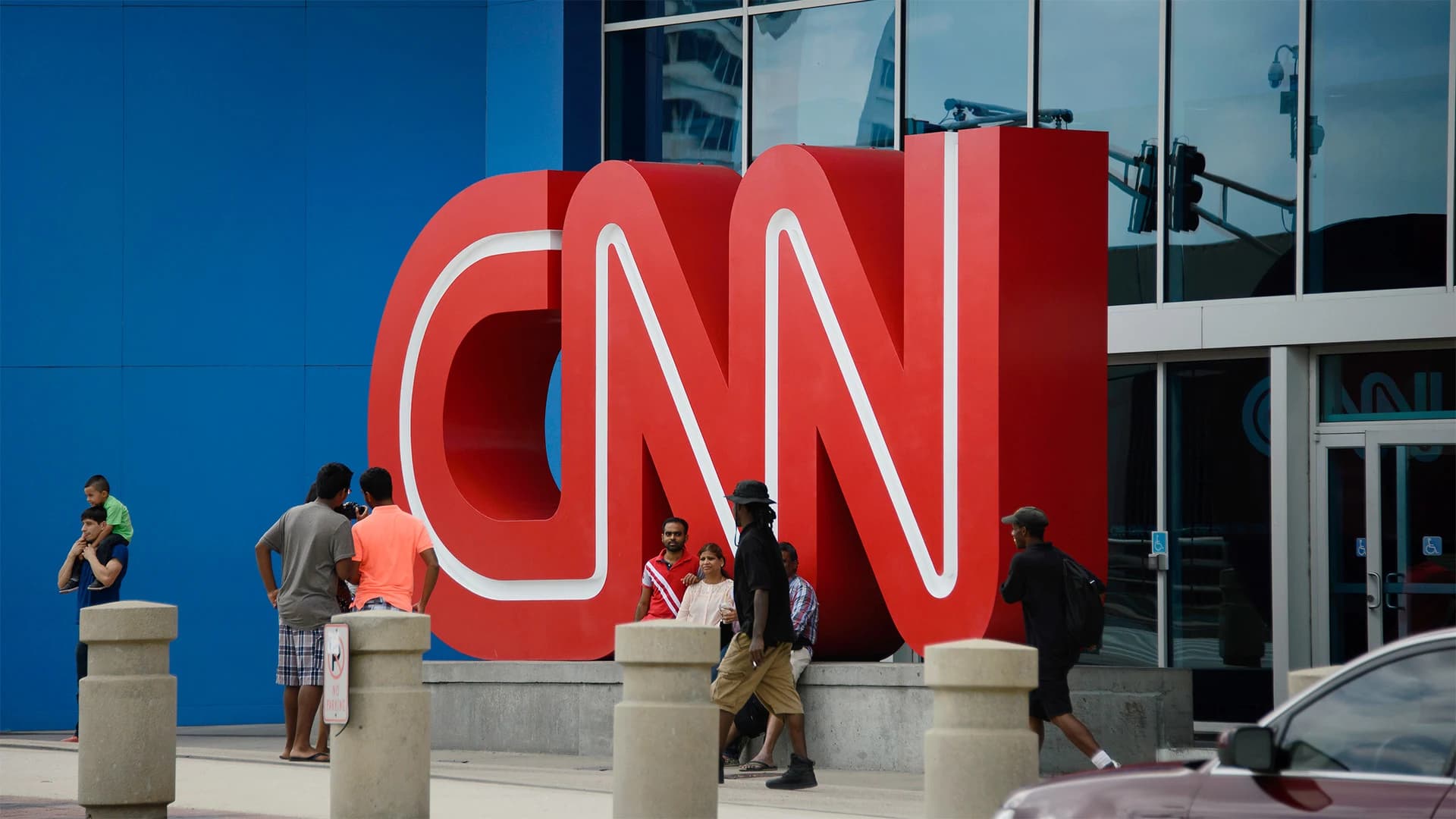
CNN's recent legal action against AI company Perplexity marks an escalating battle over intellectual property rights in the artificial intelligence era. According to reporting from Inc., the lawsuit underscores a growing concern among content creators and media companies that AI developers are systematically using published material to build and improve their systems without proper licensing or attribution. For Atlanta-based media, publishing, and professional services firms, this development carries direct implications.
The core issue centers on whether AI companies have the right to scrape and utilize proprietary content—articles, research, brand materials, and original reporting—as training data for their models. According to the source article, this practice has become widespread across the AI industry, with many companies taking the position that such use falls under fair use protections. However, content creators argue this stance fundamentally undervalues their intellectual property and threatens their competitive advantage and revenue streams.
Atlanta business leaders across industries should examine their own exposure. Companies generating valuable proprietary data—whether in healthcare, finance, logistics, or professional services—face similar risks. The lawsuit signals that courts may increasingly scrutinize whether AI training practices constitute unauthorized use of protected materials. Organizations should audit what internal content and client data might be vulnerable, review vendor agreements with any AI service providers, and consider whether their intellectual property strategy adequately addresses AI-era threats.
As litigation around AI training data accelerates, smart business leaders are taking preventive steps: updating terms of service to restrict AI training use, implementing technical barriers to data scraping, and consulting legal counsel on intellectual property protection. The CNN case will likely set precedent for how courts balance innovation interests against creator rights—making it essential viewing for any Atlanta executive concerned about protecting their company's most valuable assets in an increasingly AI-driven marketplace.