Photo via Inc.
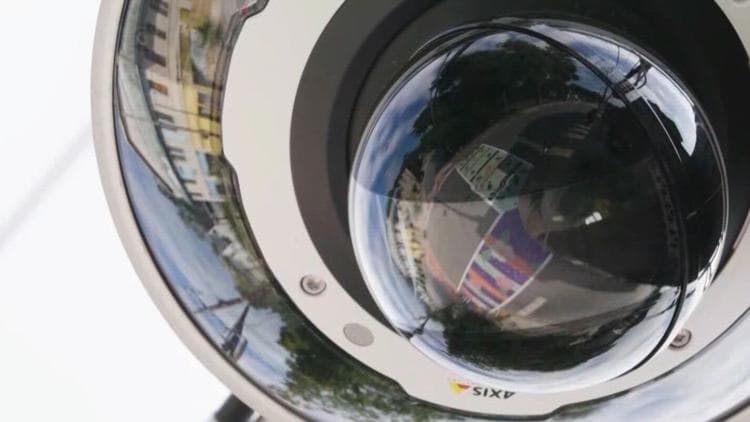
California has begun deploying artificial intelligence to manage traffic signals, with an initial rollout affecting nine intersections. According to Inc., the system dynamically adjusts green light duration based on real-time traffic patterns, potentially saving the state over $200 million. For Atlanta business leaders focused on logistics and supply chain efficiency, this development signals how AI could optimize the movement of goods through increasingly congested urban corridors.
The technology works by analyzing traffic flow data and adjusting signal timing in response to congestion patterns. Rather than relying on fixed timing schedules, the AI system adapts to actual conditions throughout the day. This approach has immediate implications for cities like Atlanta, where traffic congestion impacts delivery times, workforce commuting, and overall business productivity. Companies in the logistics and e-commerce sectors stand to benefit most from reduced travel times.
The potential $200 million savings projection reflects reduced fuel consumption, fewer emissions, and decreased vehicle idling time. Atlanta's business community—particularly in transportation, delivery services, and commercial real estate—should monitor how this technology scales. Congestion costs the Atlanta metropolitan area billions annually, making this an area where technology investment could yield measurable returns for both public infrastructure and private operations.
As more cities explore similar AI-driven solutions, Atlanta's municipal leaders and business stakeholders should consider what infrastructure investments might be needed locally. Early adoption of such technologies could position Atlanta as a forward-thinking logistics hub while improving quality of life for residents and workers. The next phase will be understanding how these systems perform at scale and whether similar implementations could work in Atlanta's unique traffic patterns.