Photo via Fortune
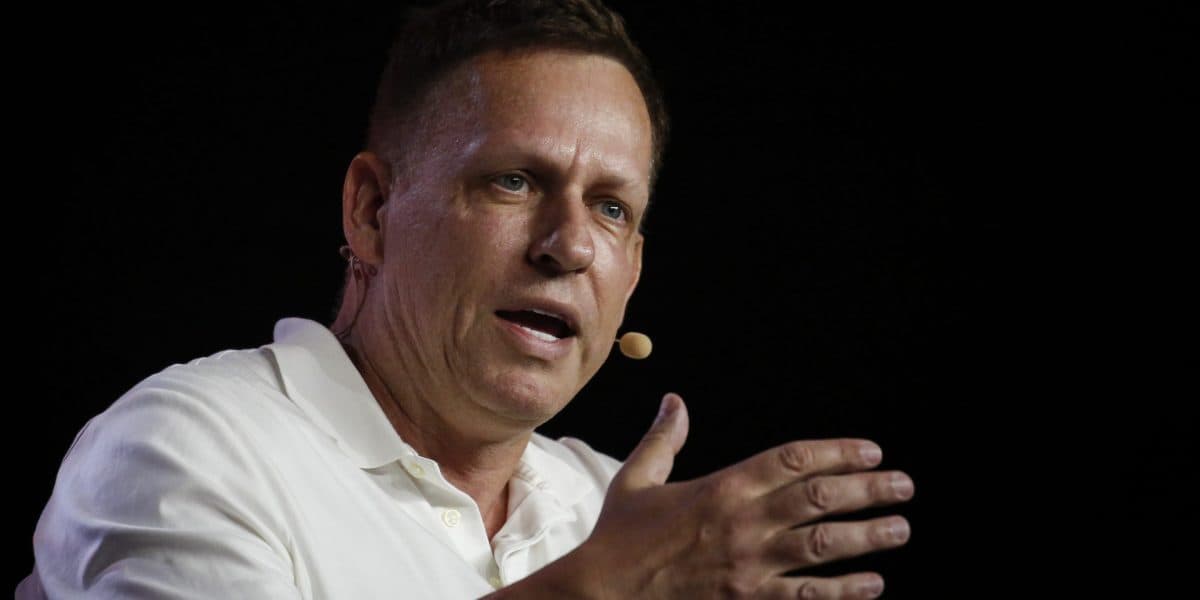
The conventional wisdom that STEM careers offer safer harbor from automation may be fundamentally flawed, according to billionaire investor Peter Thiel. His contrarian view suggests that roles requiring technical expertise—traditionally seen as recession-proof—face greater displacement risk from artificial intelligence than positions emphasizing creativity and human storytelling.
According to a LinkedIn report cited in the analysis, demand for creative talent is surging, with job postings for 'storytellers' doubling over the past year. This trend suggests employers increasingly value workers who can conceptualize narratives, develop brand strategy, and connect emotionally with audiences—capabilities that remain difficult for AI to replicate convincingly.
For Atlanta's business community, this shift carries real implications. The region's tech sector has grown substantially, attracting software developers, engineers, and data analysts seeking stable careers. However, if Thiel's thesis proves accurate, companies in the Southeast may need to rethink workforce development and hiring strategies, potentially creating new opportunities for professionals who can blend technical knowledge with creative problem-solving.
The warning arrives as AI capabilities expand rapidly across industries. Atlanta-based companies and regional tech leaders should consider how their hiring and training programs might need to evolve, potentially emphasizing hybrid skill sets that combine technical fundamentals with communication, design, and strategic thinking—the human elements most resistant to automation.