Photo via CNBC Business
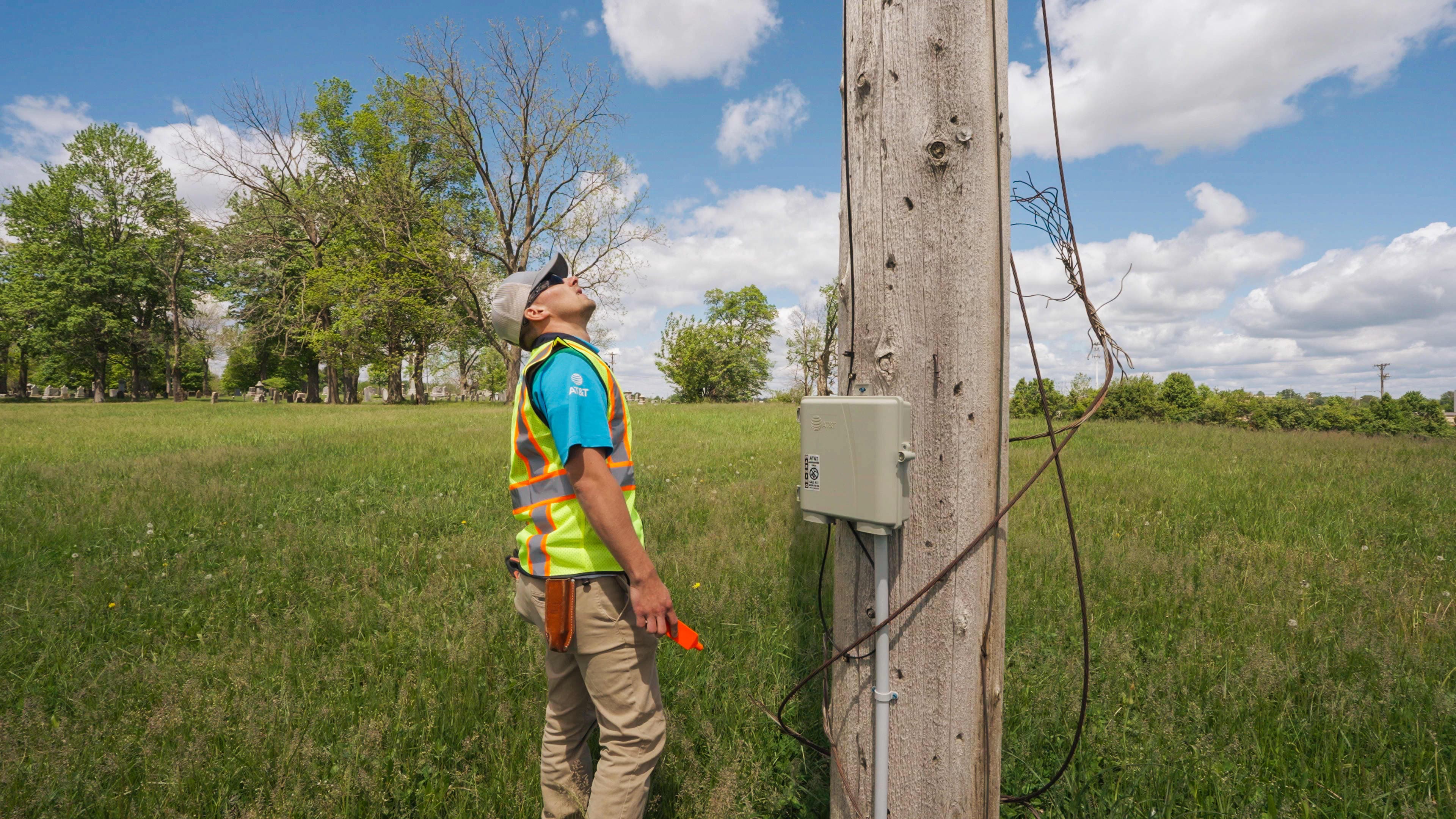
According to CNBC Business, artificial intelligence is fundamentally altering hiring patterns across major American corporations, with implications for Atlanta's workforce. Traditional entry-level positions for college graduates—long considered the first rung on the corporate ladder—are contracting as companies automate routine tasks. Meanwhile, employers like Ford and AT&T are actively pivoting their recruitment strategies to prioritize skilled trades, suggesting a recalibration of what corporate America values in its workforce.
For Atlanta-area job seekers, this transition presents both challenge and opportunity. The Georgia workforce has long been anchored by professional services and corporate headquarters, but demand for electricians, plumbers, HVAC technicians, and other skilled trades is surging. These positions typically offer competitive wages without requiring four-year degrees, potentially reshaping career expectations across the metro area and addressing Georgia's well-documented skilled trades shortage.
The shift reflects broader economic realities: AI handles data entry, basic analysis, and routine communications at a fraction of the human cost, while physical infrastructure—whether manufacturing plants or commercial buildings—still requires human expertise. For Atlanta companies in logistics, construction, and industrial sectors, this means investing in apprenticeships and trade training programs could become critical competitive advantages in attracting talent.
Career counselors and workforce development agencies across Georgia are beginning to adapt their guidance accordingly. The implicit promise of the traditional American Dream—attend college, secure a corporate job—is being rewritten in real time. Those willing to pursue skilled trades may find themselves with greater earning potential, job security, and career advancement than their college-bound peers entering a contracting entry-level market.